The Story of Polaris Academy
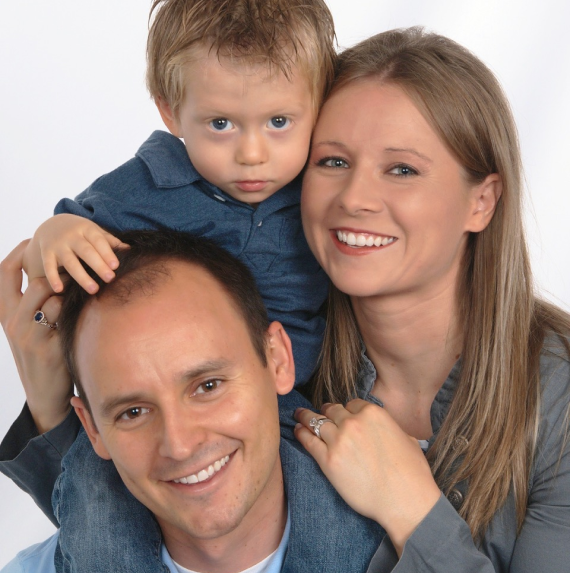
Managing a child with autism or other neurodivergent conditions can be a challenge, so when it came time to put our son into school we knew there would be hurdles. Our local elementary school was highly rated and we quickly fell in love with the teachers, administration, and convenient location. The public school provided every resource they could for our son and sincerely wanted to help him succeed. But the challenge was that this school, and its curriculum, was designed for typical kids. No matter how hard our son worked or how much help he received, his measurement and perception of success was overshadowed by the progression of peers around him. He was having success at a rate that was great for him, but in contrast to his classmates it seemed as if he was failing.
Next, we tried home-schooling which was amazing, frustrating, rewarding, and exhausting all at the same time. Autistic children really do require a village of specialists, therapists, and educators, and I did my best to provide him tutors and therapists to meet his needs. But managing the schedules across so many disciplines became complicated and extremely expensive. Recreating the support system provided in school was just not feasible, and although I love working with my son, trying to wear all of those different hats on my own did not work out to his favor or mine. Combine that with missed opportunities for socialization and we knew we needed to find a more specialized school for our son.
We tried a number of private schools that we thought might be a good match. We were excited our son was having good peer interactions with children more like him, but other issues arose. Some were reluctant or unable to change or adopt different teaching methods to better suit his needs, others did not have added resources for speech, ABA, or other therapies. And some that appeared to have everything we needed unfortunately had no more room for our son. So we were left with the decision to either continue home-schooling while we waited for an opening in a preferred school, place him in a school that was still not meeting his needs…. or start our own school.
That’s when Polaris Academy was born. Schooling for autistic children shouldn’t be a challenge, it should be an opportunity. So our task was to create a school where neurodivergent children could relate, socialize, and thrive in an environment physically designed for focused learning, academically designed to be flexible and promote out-of-the box thinking, and filled with professionals driven by a passion for our students instead of mandated goals and standards. Our vision was fortunately shared by our founding group and with their collective efforts our dream has now become a reality. We are so excited to share what we have learned, developed and created with you and your children and hope you will let us be a part of your amazing journey.

Why the name Polaris Academy?
Polaris is the brightest star within the Little Dipper constellation, also called Ursa Minor meaning “the Little Bear” thus our mascot - “Bears”. It is known as the North Star, or Pole Star, because of its stable and fixed position in the northern sky.
Used throughout history for navigation, Polaris has shined as a constant and reliable light for those sailing the seas, traversing barren deserts, and charting a course through the unknown. As a symbol, Polaris is used in poetry to represent steadfastness, a guiding principle, a constant guide, and is often associated with direction and purpose. Though appearing to the naked eye as a single point of light, Polaris is actually a triple star system combining the light of three stars to shine brightly in the night.
We couldn’t select a better symbol for our school. Our hope, our vision, is for Polaris Academy to be a stable and reliable resource for parents and children, helping to chart and navigate through life’s journey towards a more purposeful, independent, and fulfilling future. Polaris Academy stands as a symbol of steadfastness in learning, a constant guide for education and growth. And by combining the experience of our professionals, resources of our community, and unique talents and strengths of our students and parents, Polaris Academy will shine brightly and light a path of success, joy, and confidence for all our little, bright “stars”.
About Us
About Us
About Us
Home >The Story of Polaris Academy
Managing a child with autism or other neurodivergent conditions can be a challenge, so when it came time to put our son into school we knew there would be hurdles. Our local elementary school was highly rated and we quickly fell in love with the teachers, administration, and convenient location. The public school provided every resource they could for our son and sincerely wanted to help him succeed. But the challenge was that this school, and its curriculum, was designed for typical kids. No matter how hard our son worked or how much help he received, his measurement and perception of success was overshadowed by the progression of peers around him. He was having success at a rate that was great for him, but in contrast to his classmates it seemed as if he was failing.
Next, we tried home-schooling which was amazing, frustrating, rewarding, and exhausting all at the same time. Autistic children really do require a village of specialists, therapists, and educators, and I did my best to provide him tutors and therapists to meet his needs. But managing the schedules across so many disciplines became complicated and extremely expensive. Recreating the support system provided in school was just not feasible, and although I love working with my son, trying to wear all of those different hats on my own did not work out to his favor or mine. Combine that with missed opportunities for socialization and we knew we needed to find a more specialized school for our son.
We tried a number of private schools that we thought might be a good match. We were excited our son was having good peer interactions with children more like him, but other issues arose. Some were reluctant or unable to change or adopt different teaching methods to better suit his needs, others did not have added resources for speech, ABA, or other therapies. And some that appeared to have everything we needed unfortunately had no more room for our son. So we were left with the decision to either continue home-schooling while we waited for an opening in a preferred school, place him in a school that was still not meeting his needs…. or start our own school.
That’s when Polaris Academy was born. Schooling for autistic children shouldn’t be a challenge, it should be an opportunity. So our task was to create a school where neurodivergent children could relate, socialize, and thrive in an environment physically designed for focused learning, academically designed to be flexible and promote out-of-the box thinking, and filled with professionals driven by a passion for our students instead of mandated goals and standards. Our vision was fortunately shared by our founding group and with their collective efforts our dream has now become a reality. We are so excited to share what we have learned, developed and created with you and your children and hope you will let us be a part of your amazing journey.
Why the name Polaris Academy?
Polaris is the brightest star within the Little Dipper constellation, also called Ursa Minor meaning “the Little Bear” thus our mascot – “Bears”. It is known as the North Star, or Pole Star, because of its stable and fixed position in the northern sky.
Used throughout history for navigation, Polaris has shined as a constant and reliable light for those sailing the seas, traversing barren deserts, and charting a course through the unknown. As a symbol, Polaris is used in poetry to represent steadfastness, a guiding principle, a constant guide, and is often associated with direction and purpose. Though appearing to the naked eye as a single point of light, Polaris is actually a triple star system combining the light of three stars to shine brightly in the night.
We couldn’t select a better symbol for our school. Our hope, our vision, is for Polaris Academy to be a stable and reliable resource for parents and children, helping to chart and navigate through life’s journey towards a more purposeful, independent, and fulfilling future. Polaris Academy stands as a symbol of steadfastness in learning, a constant guide for education and growth. And by combining the experience of our professionals, resources of our community, and unique talents and strengths of our students and parents, Polaris Academy will shine brightly and light a path of success, joy, and confidence for all our little, bright “stars”.
Modal Box
modal-
Click here to edit the “modal-box” settings. This text is only for editing and will not appear after you publish the changes. Preview modal-About Us
About Us
Leadership Team

Darcy Palmer
Co-Founder
Read Bio
Nathan Palmer
Co-founder, Chief Executive Officer
Read Bio
Aaron Kaczmarek
Chief of School Operations
Read Bio
Brad Broyles
Chief Financial Officer
Read Bio
Jon Higginbotham
Chief Design Officer
Read Bio
Lloyd Glenn
Partner
Read BioOur Staff
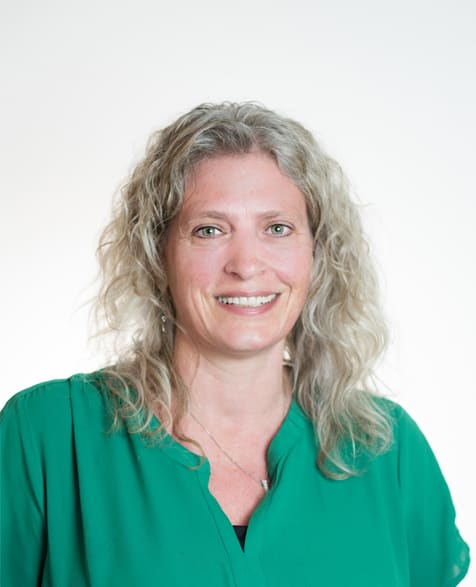
Heidi Lee
Special Education Teacher
Read Bio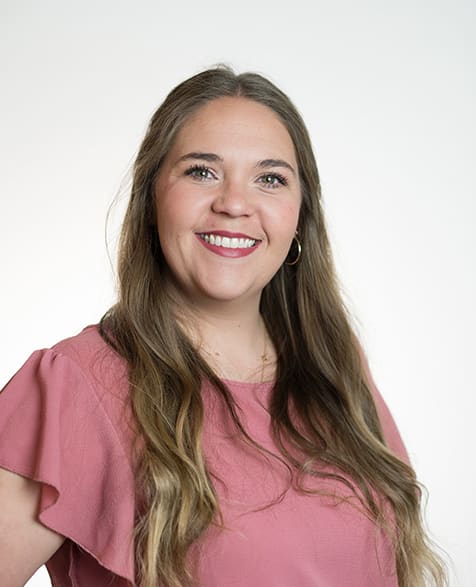
Jenna Shaver
Special Education Teacher
Read Bio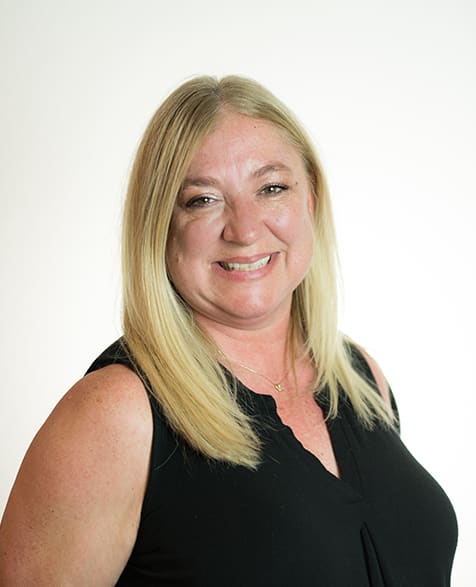
Krystal Schmier
Assistant Campus Director
Read Bio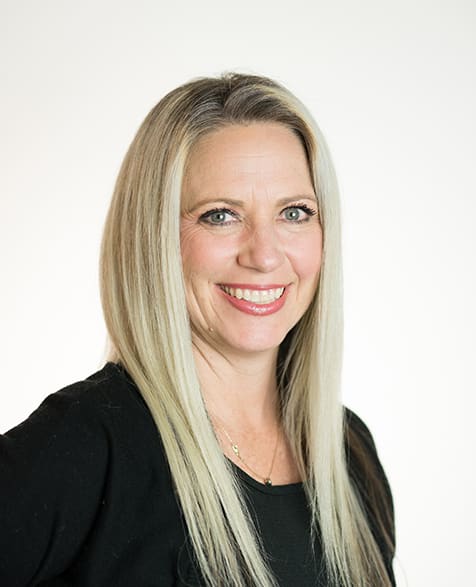
Lindey Lacy
Special Education Teacher
Read Bio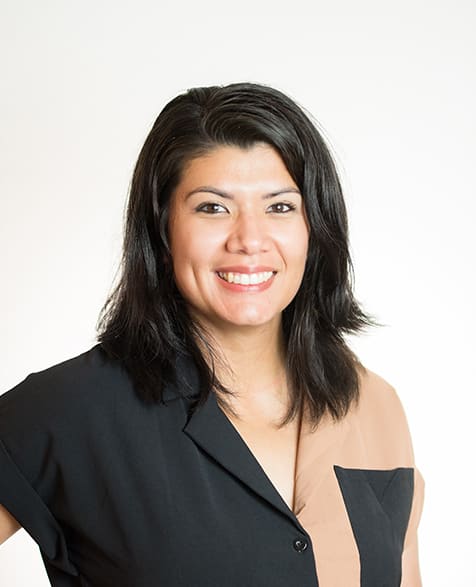
Nikki Galvan
Special Education Teacher
Read Bio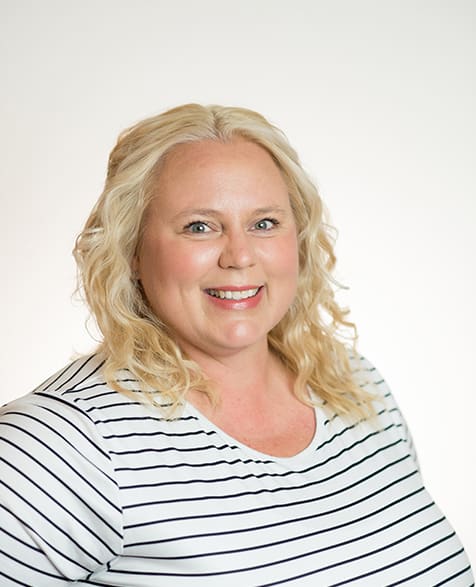
Rachel Crupi
Director of Behavior Services
Read Bio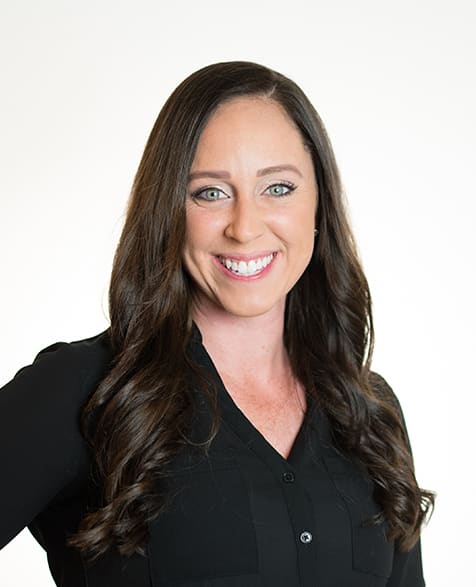
Sarah Taylor
Special Education Teacher
Read Bio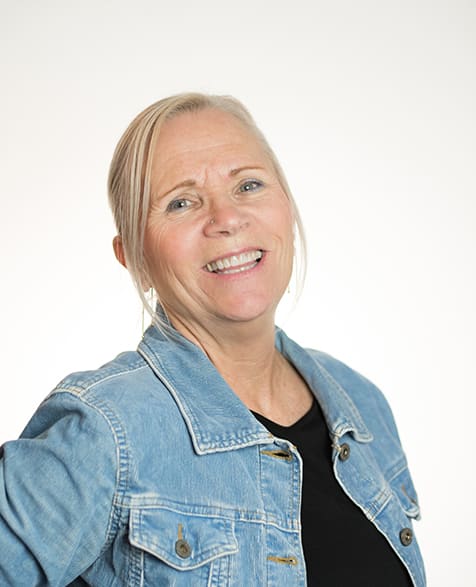
Susan Aglialoro
Director of Speech-Language Pathology
Read Bio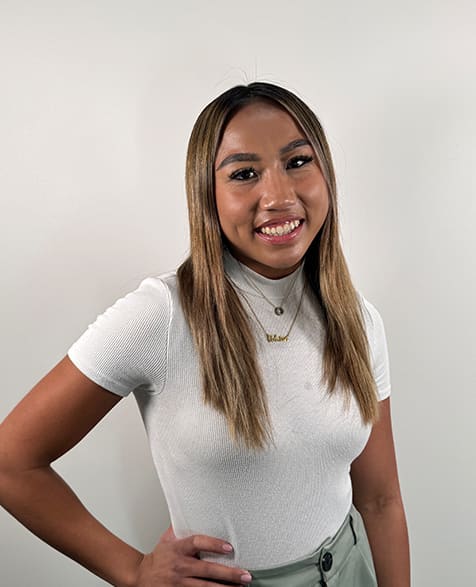
Taylor Esperanza
STEM Teacher
Read Bio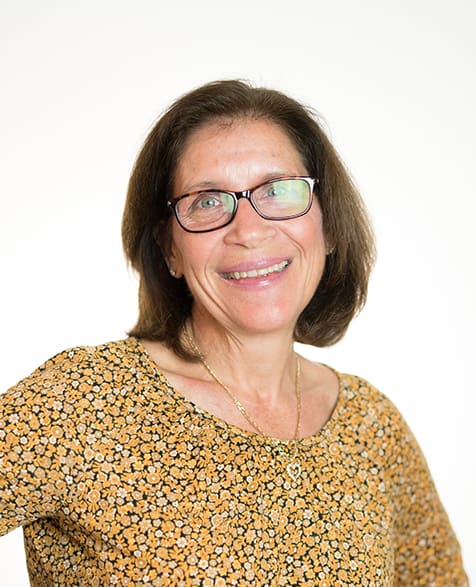
Tricia Godlewski
Special Education Teacher
Read Bio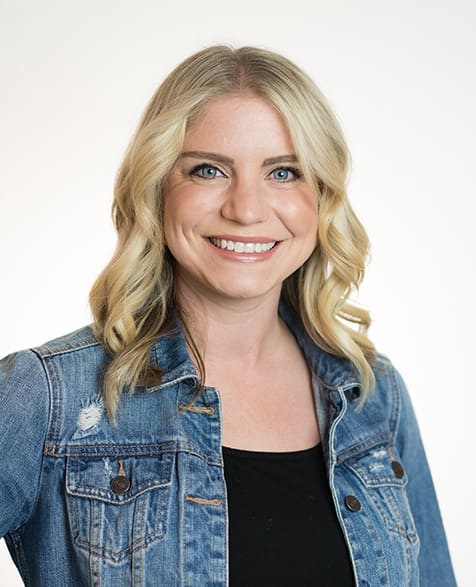
Haley Palmer
Director of Early Learning Center
Read Bio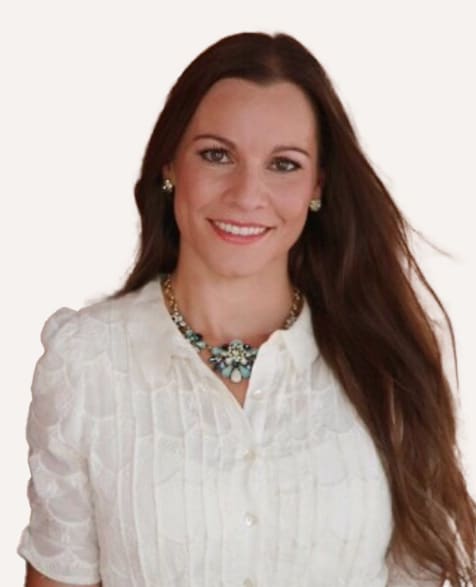
Beth Crosby
Director of Physical and Nutritional Health
Read Bio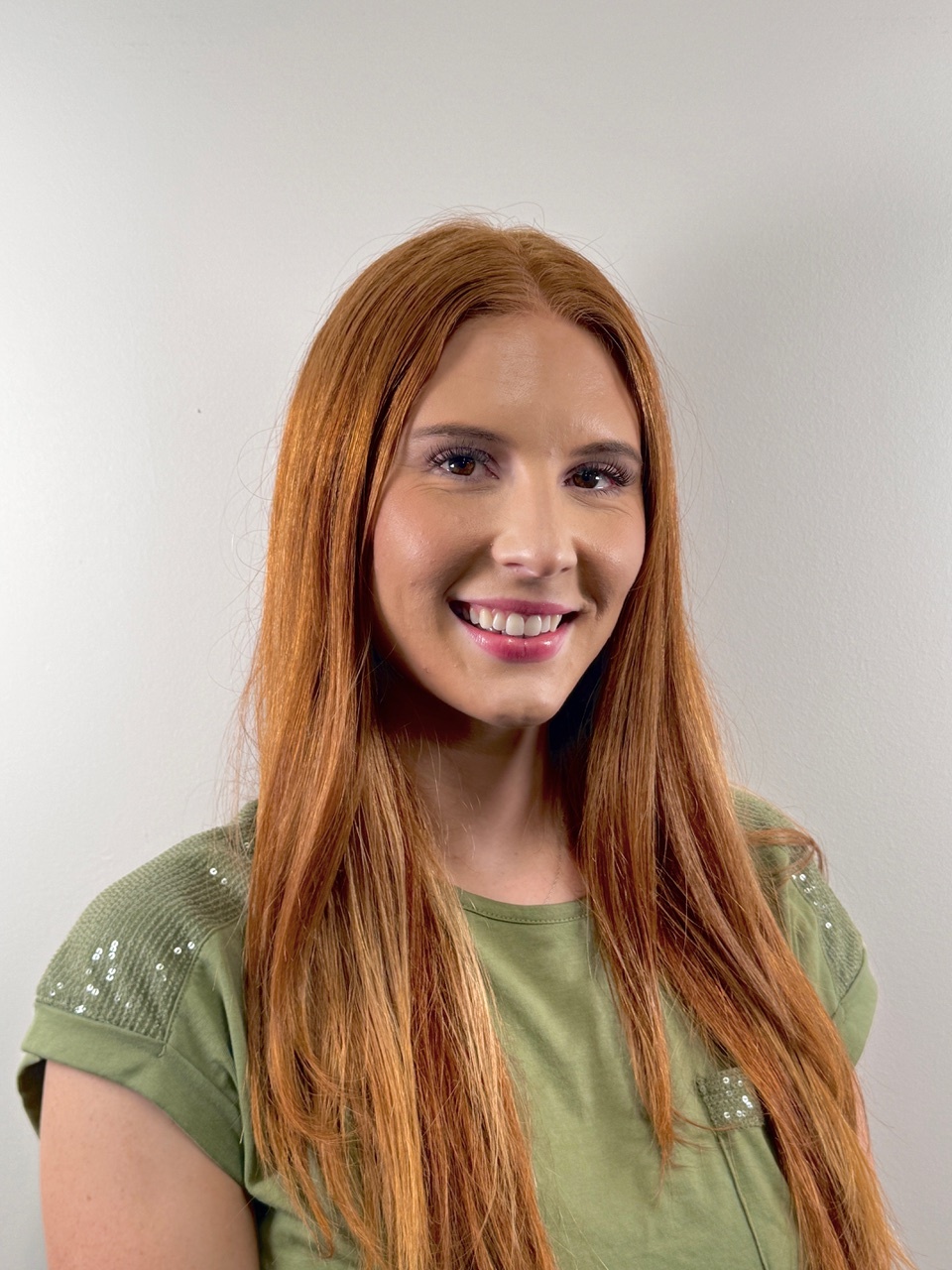
Sarah Boyd
Senior BCBA
Read BioModal Box
modal-
Click here to edit the “modal-box” settings. This text is only for editing and will not appear after you publish the changes. Preview modal-About Us
About Us
FAQ
What additional education or academic supports will my child receive at the school? ExpandOur school provides a blended model of academic and behavioral supports. Speech, Occupational, Physical, and ABA therapy techniques and professionals are integrated into the classroom and other experiential learning settings.
How do you track academic and behavioral progress? ExpandWe intend to utilize our own blended academic/behavior goal and progress forms rather than a traditional IEP. We will individually track, monitor and create goals for every individual child in collaboration with parents and providers and will hold quarterly update conferences with parents.
What is the student- teacher ratio? ExpandPolaris Academy will have a 4:1-5:1 student-teacher ratio. Each classroom is intended to have a main teacher and in-class Registered Behavior Technician (RBT) offering behavior and academic supports. Larger classrooms will also incorporate additional teaching aides to maintain those ratios along with support from our on-staff BCBA and speech therapist.
How do you accommodate students with different developmental phases? ExpandStudents will be grouped by skill and ability, not just age, to ensure we meet each student’s learning, growth, and social needs.
Do you provide training in life skills and social skills? ExpandYes, our school was built with experiential and social learning in mind. Our unique School Marketplace, S.T.E.M. Discovery Room, Culinary Experience Center, and Intentional Play Gym, provide real life and social skills while incorporated academics in an applied and real-world setting. All of our staff members, including our on-staff speech therapist, BCBA, teachers, and RBT’s, will help facilitate, support, and guide our students towards higher peer and social skills.
How do you acclimate my child to the school? ExpandMost children take time adjusting to a new space. So we intend to hold behavior and academic assessments during the summer prior to the first day of school. Additional open-house and meet the teacher events will also be available so that the first day of school will not feel like their traditional “first day”. This will help familiarize students to their school surrounding and help them feel more comfortable with staff members and classmates.
Will my Child receive one-on-one instruction? ExpandInstruction and behavioral/therapy supports are intended to be performed in group settings.
How do you handle classroom disruptions? ExpandMany schools offer a “sensory room” where children can de-escalate if needed. However, often times these spaces can become a reinforcement for negative behavior because of their preferential design. Instead at Polaris we have designed our experiential learning centers with experiences and facilities to attract a child’s interest and participation in those areas requires class involvement. When a child is triggered or needs independent space, we utilize sensory nook areas in our hall and common areas that are built with acoustic materials and provide a space for a child to continue their schoolwork in a less populated environment. Students will still stay on task so as not to be rewarded for exiting the class, but will be able to remain in the nook environment until they are ready to integrate back into their classroom setting.
How does a typical classroom look? ExpandGeneral classrooms are intended to have between 10-15 students with 2-3 teacher/behavioral support staff.
Can I meet or communicate with a school therapists? ExpandYes, our on-staff BCBA, RBT’s, and speech therapist are available and encourage collaboration and questions from parents and outside providers. Many staff are also trained and have experience in occupational and physical therapy.
What are the qualifications of the staff working with autistic children? ExpandOur staff is what makes Polaris Academy so special. Teachers and support staff have years of multi-disciplinary experience across many fields including special education, autism education, speech/occupational/physical therapy, ABA and behavioral therapy as well as clinical support settings.
Can I meet the support staff? ExpandYes, all staff and teachers are expected to maintain communication with parents and parents are also encouraged to volunteer and participate in the school setting to learn how we are working with their children so those same supports can continue in the home.
How do you handle behavior issues? ExpandOur on-staff BCBA and behavior therapists will create individualized behavior plans/goals with help from parents and outside providers so that we have the appropriate tools to work with each child’s unique behaviors. Additionally, our school has been designed for sensory learning to create a more focused and calm environment. Between our trained staff, individualized behavior plans, unique autism architecture components, and individualized learning nooks we hope to provide ample support for all of our students’ behavior needs.
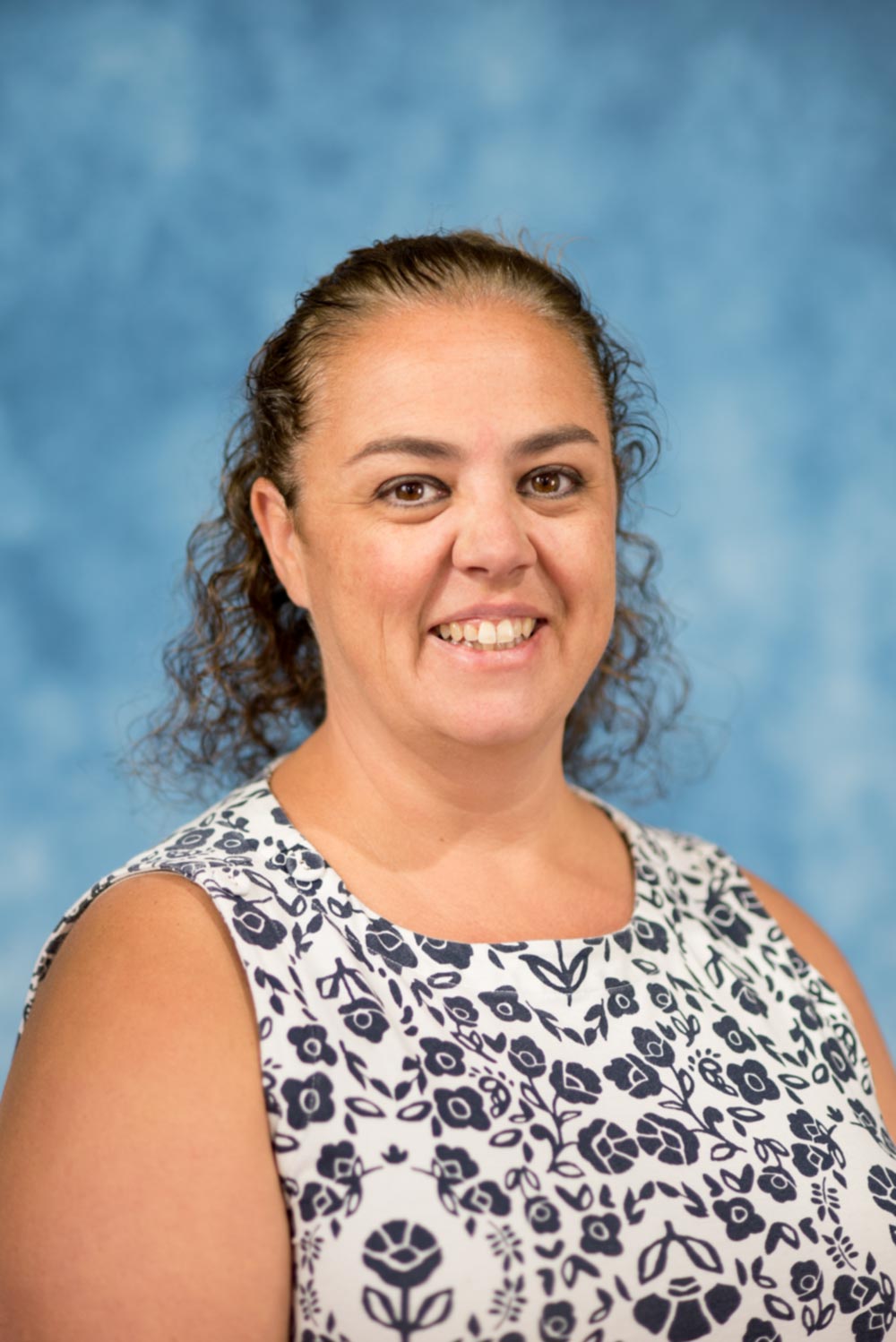
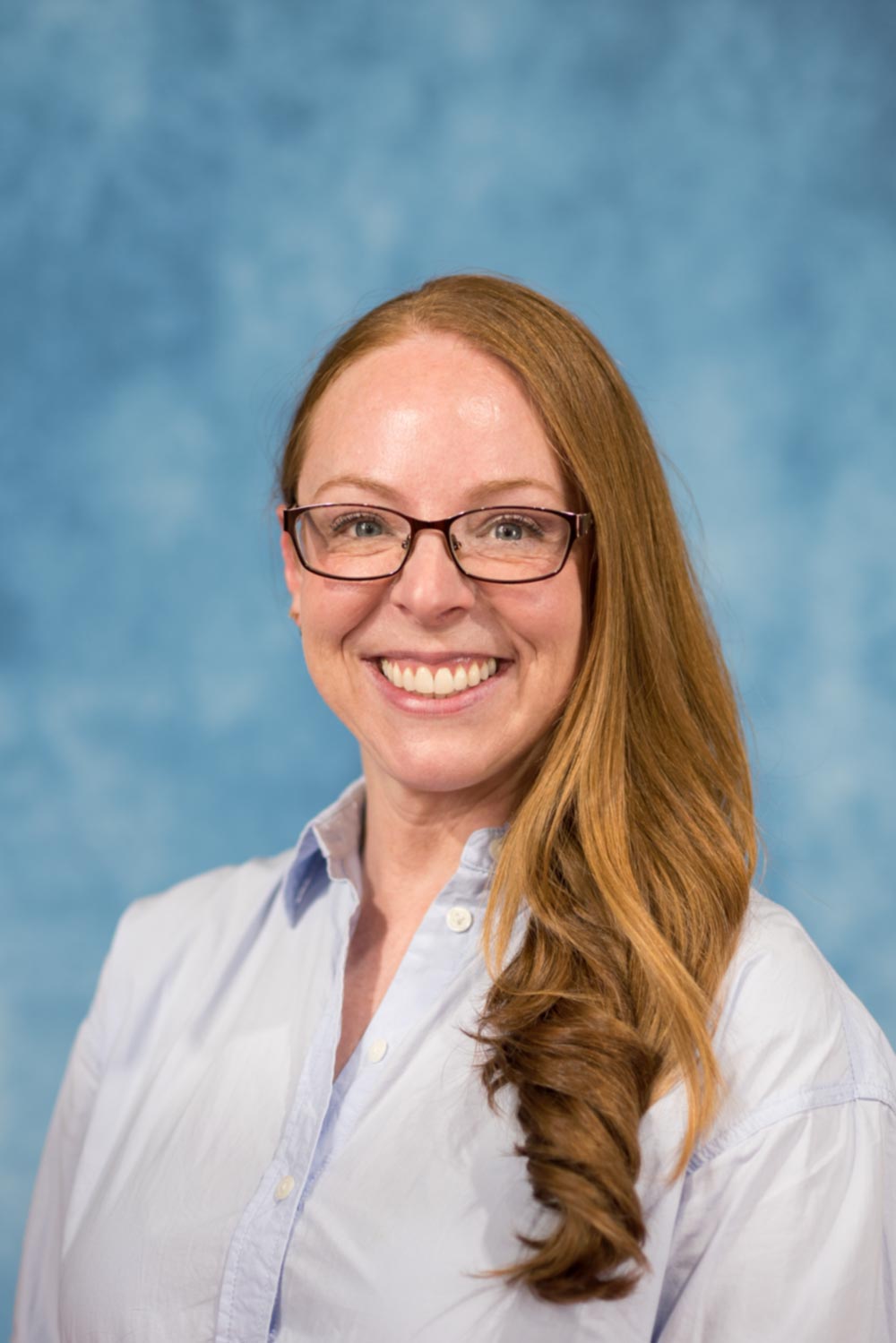
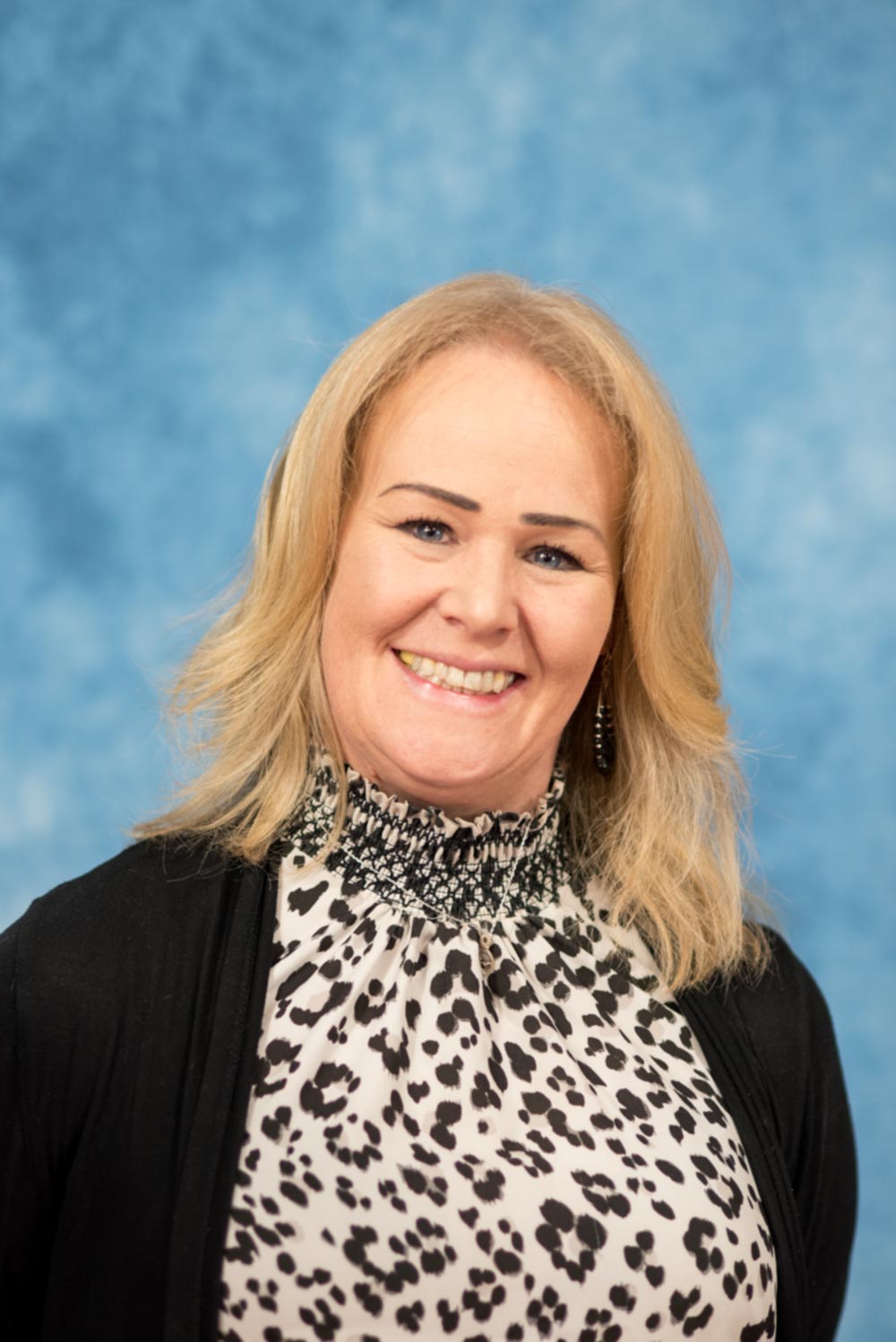
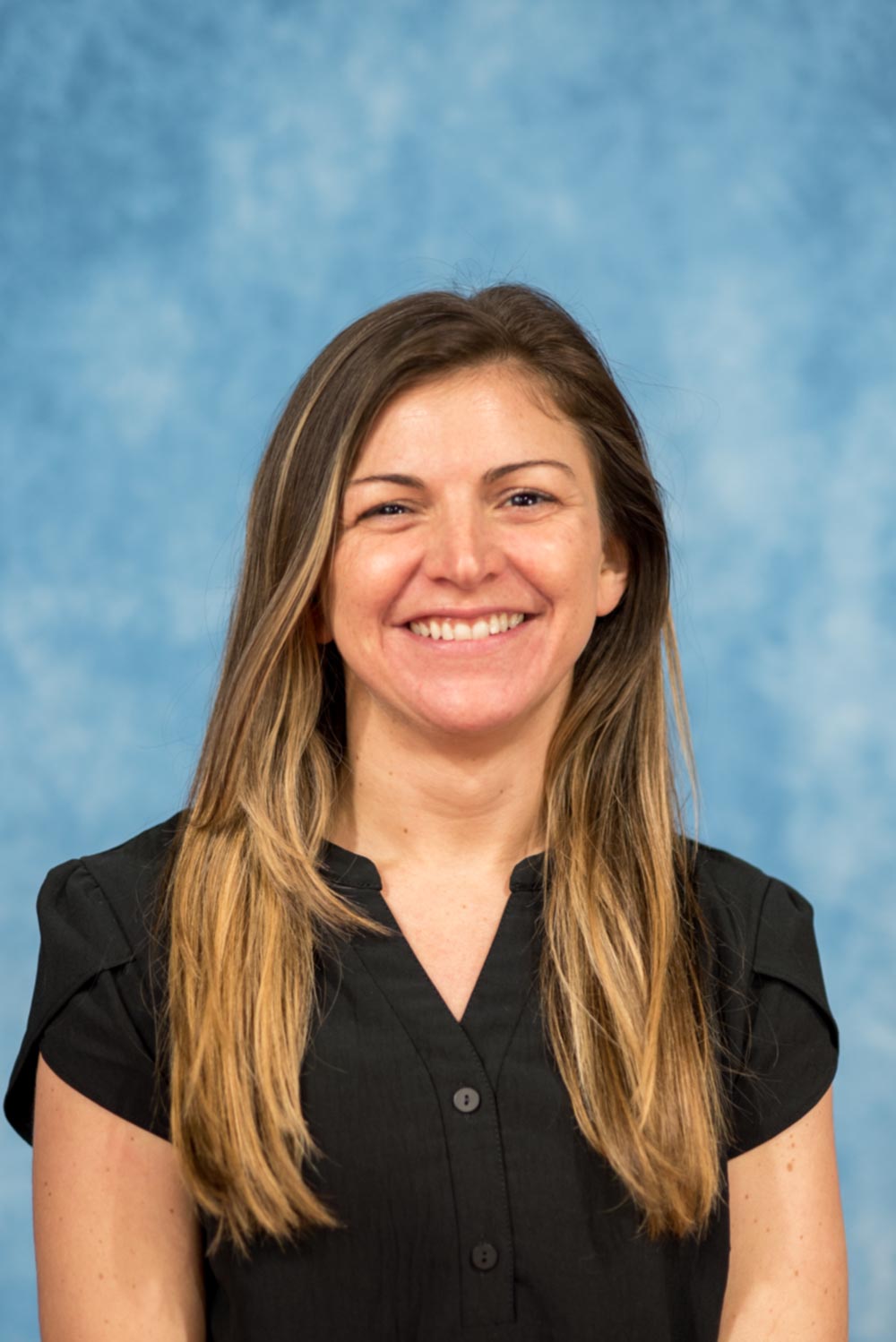
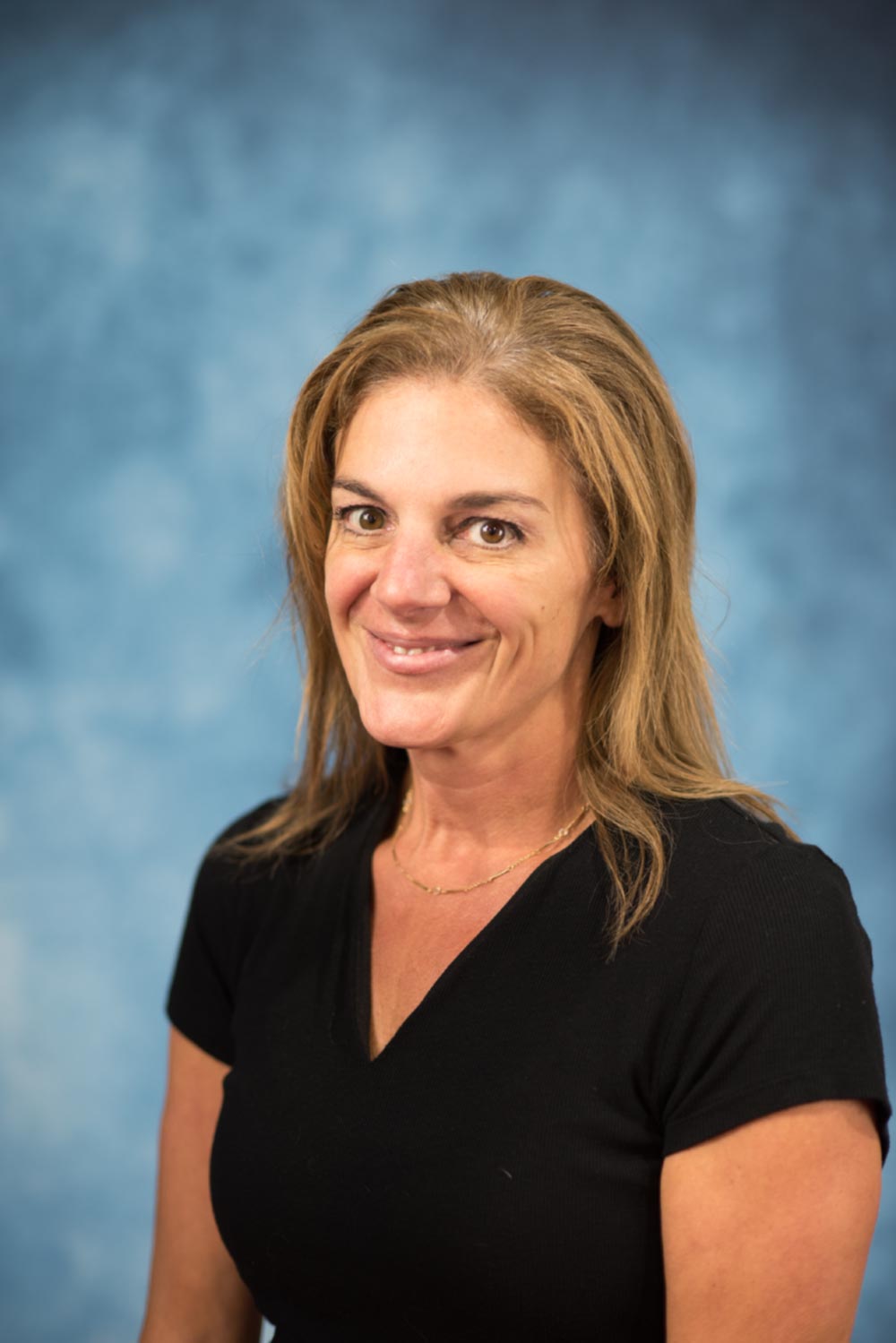
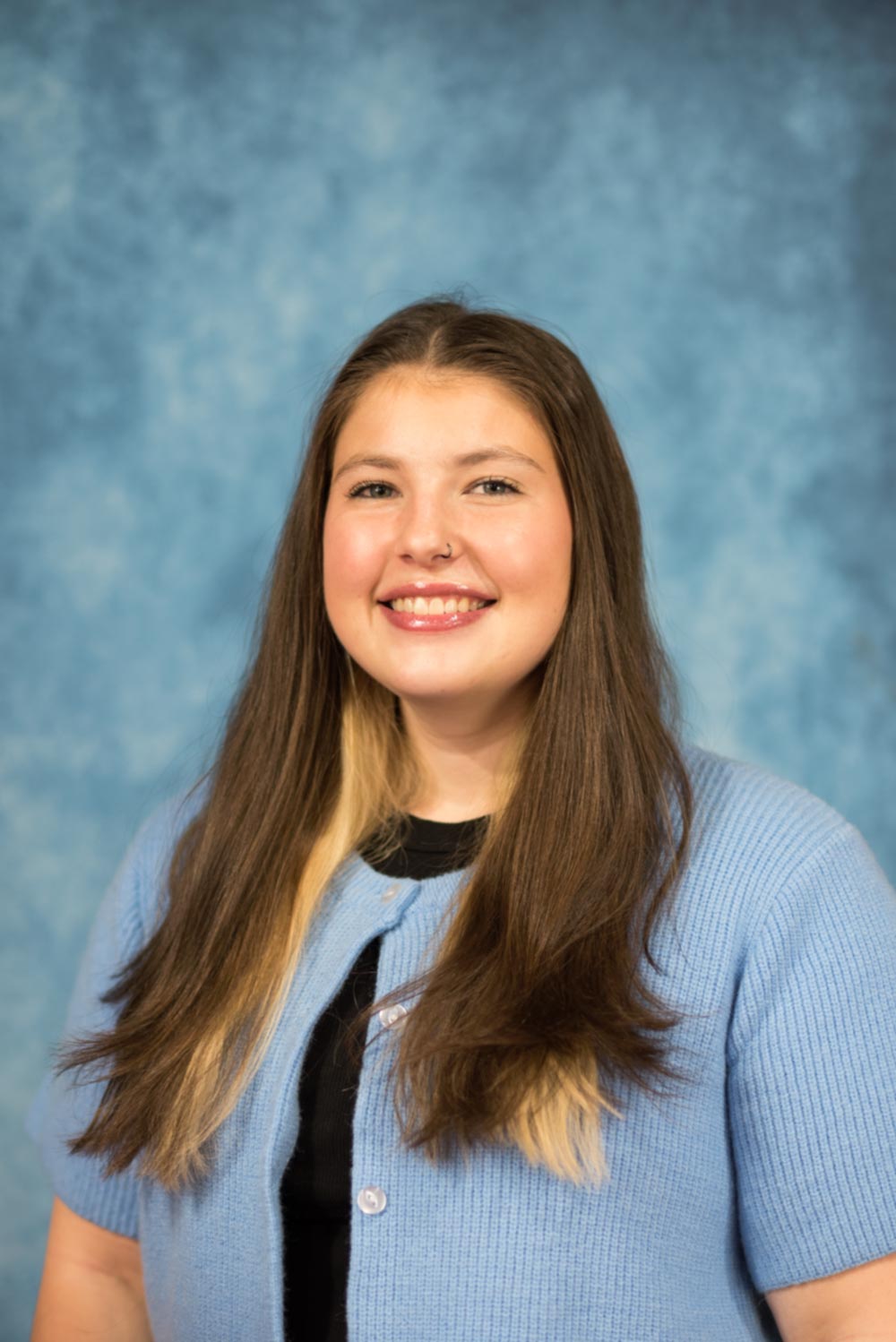
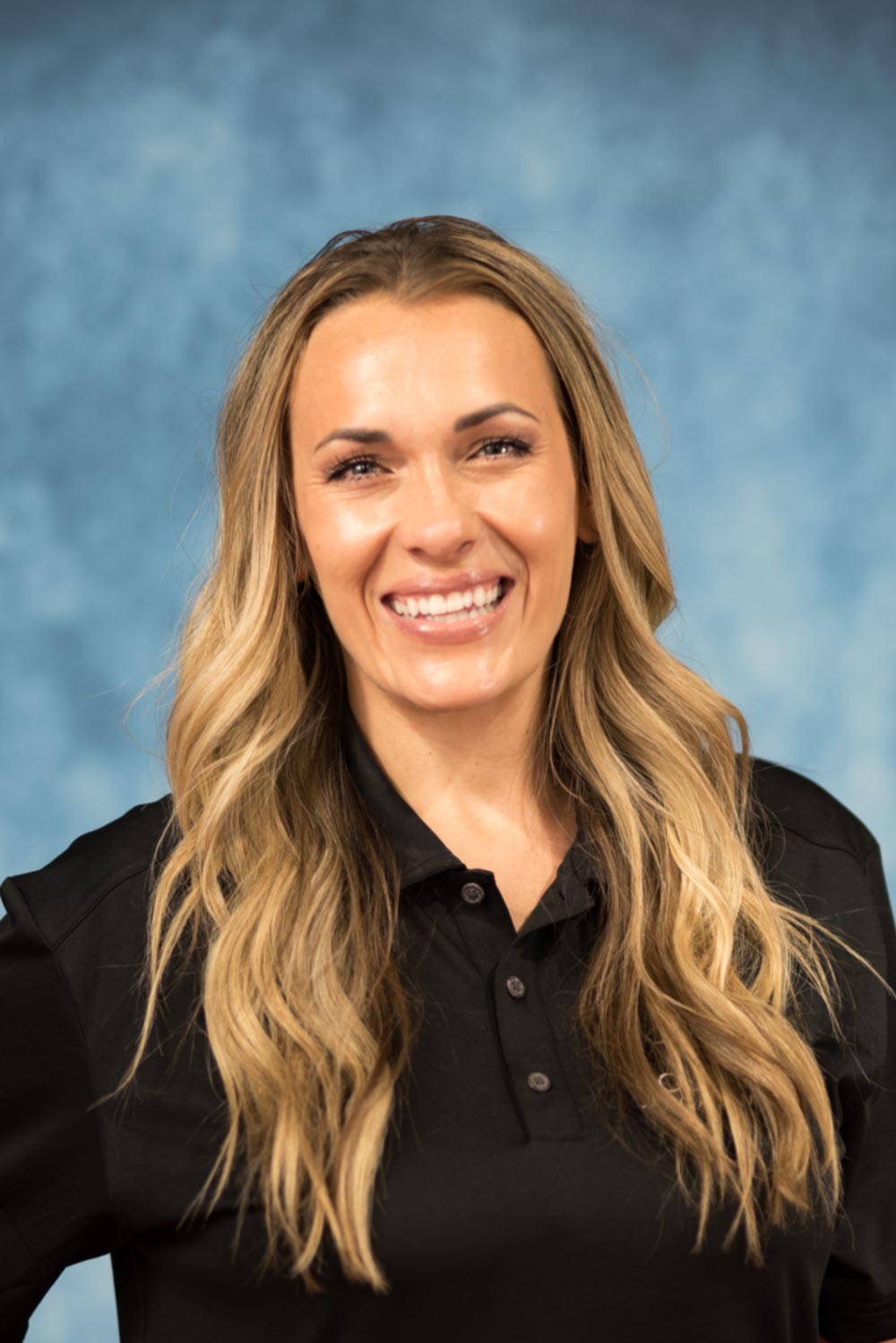
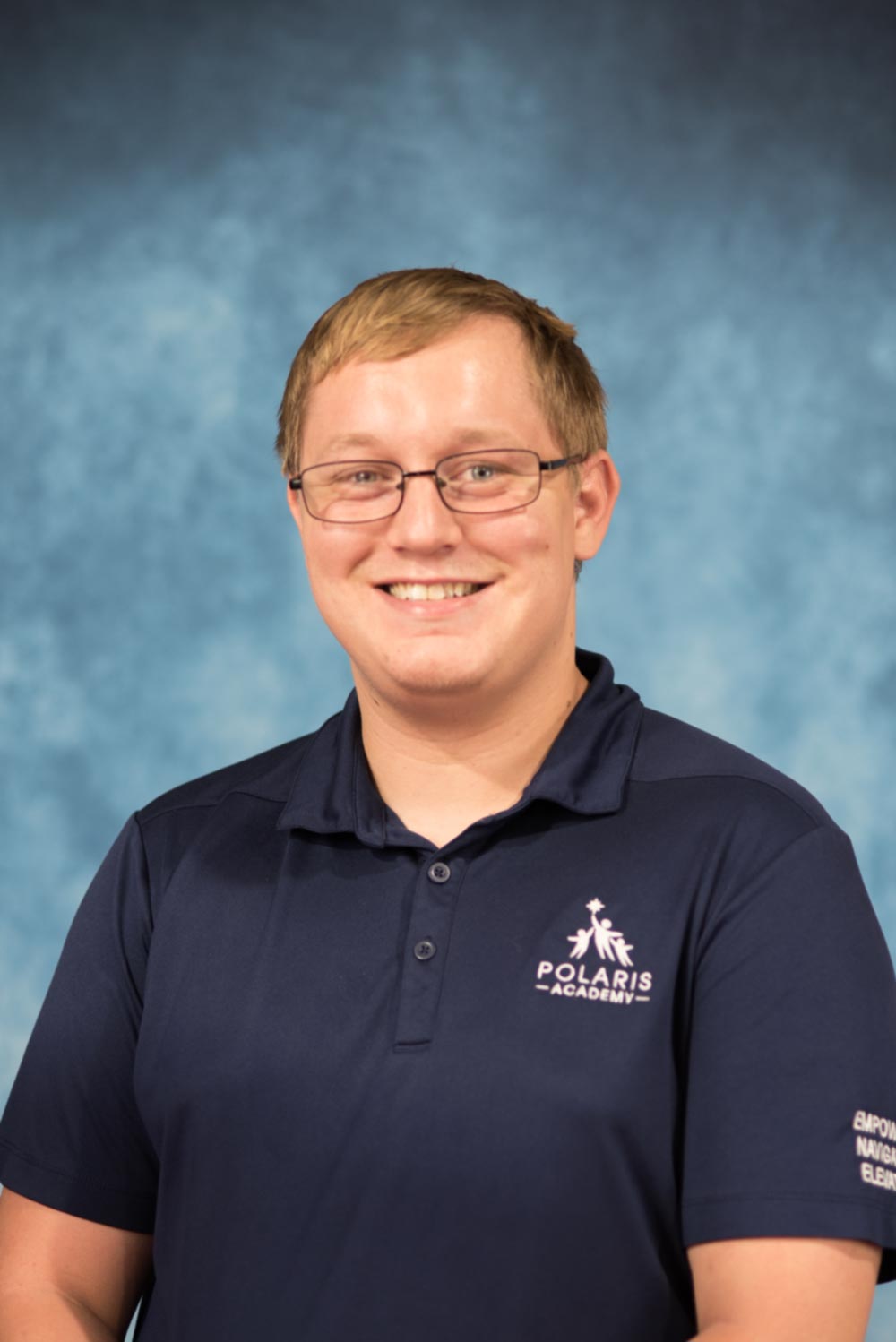
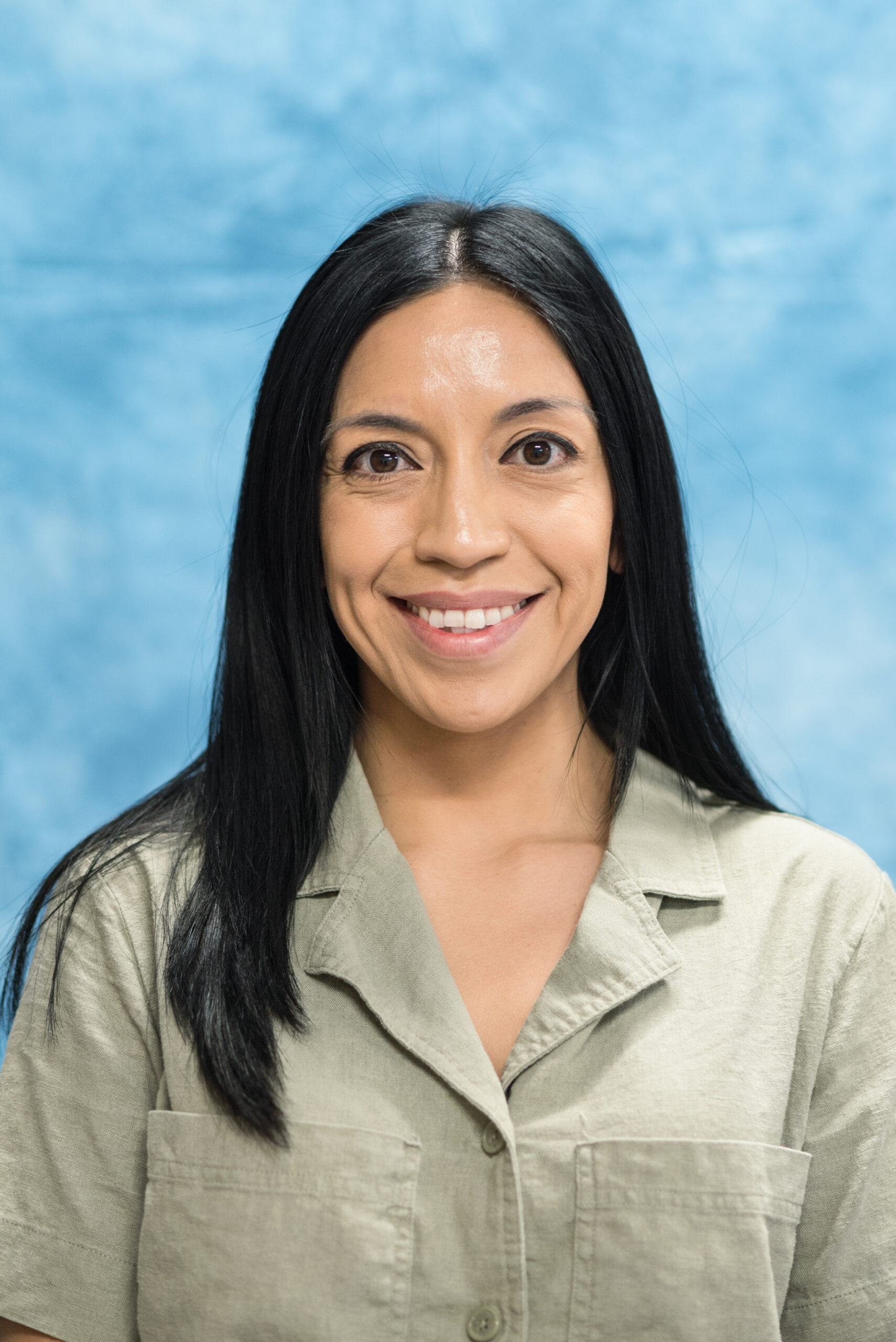
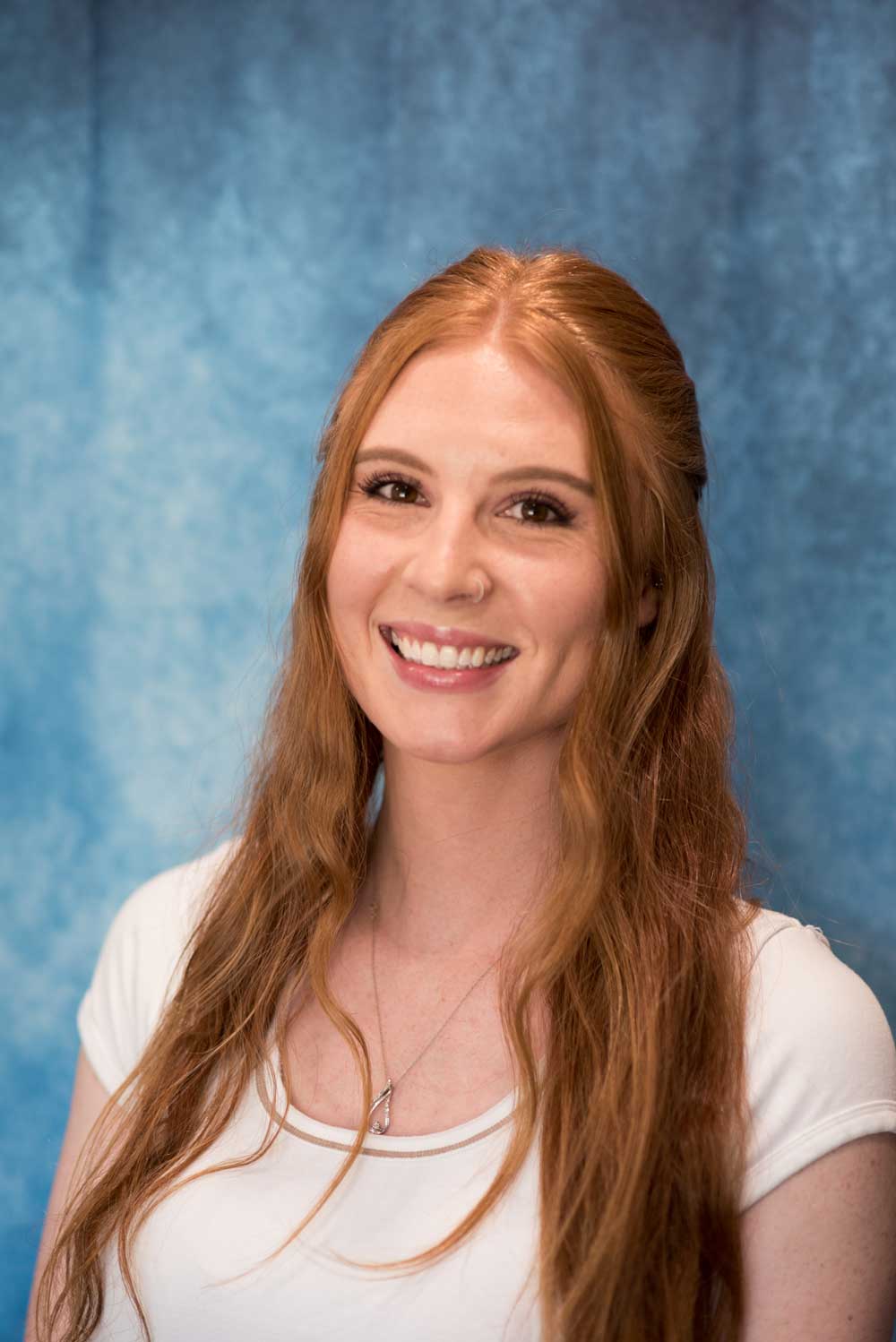
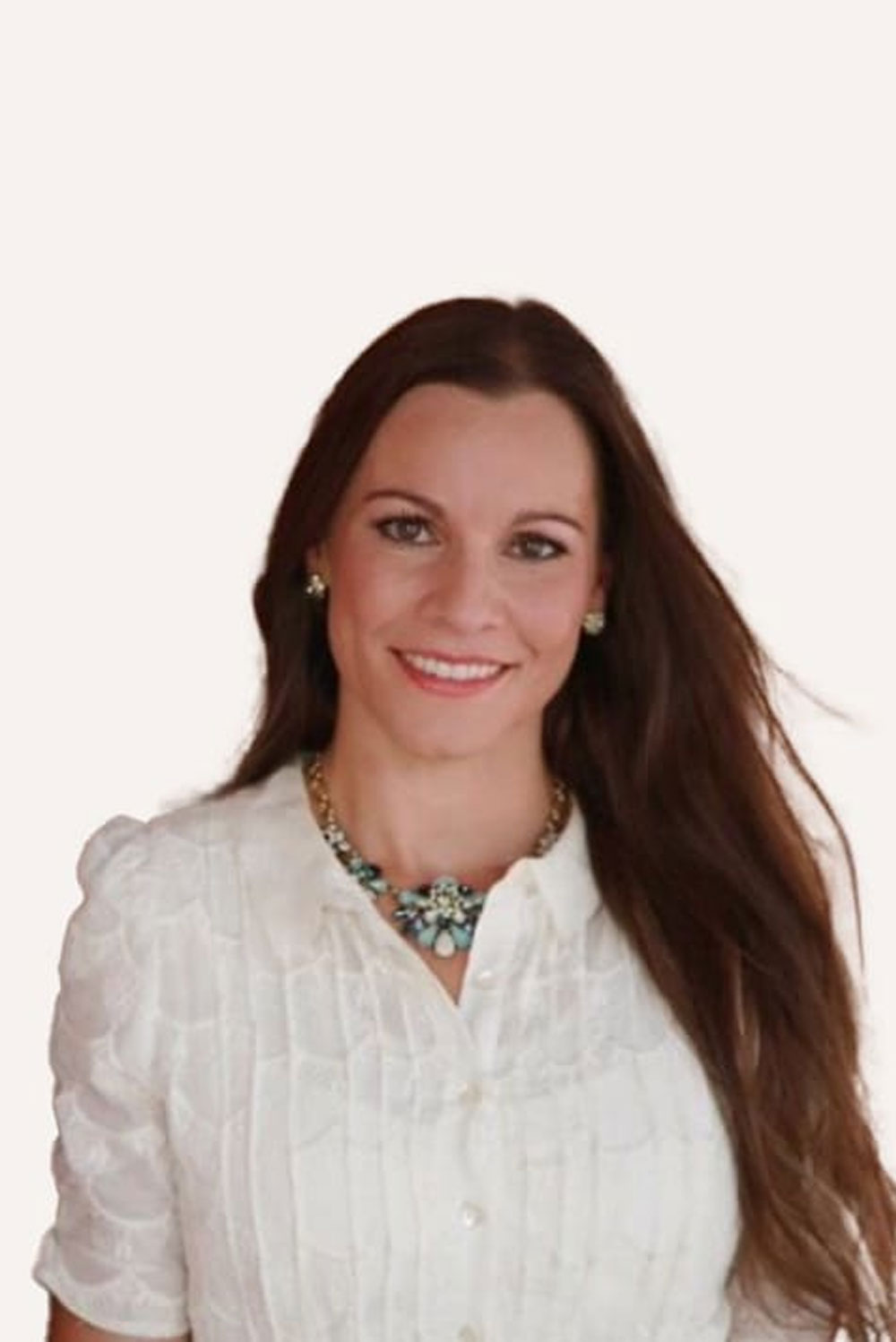
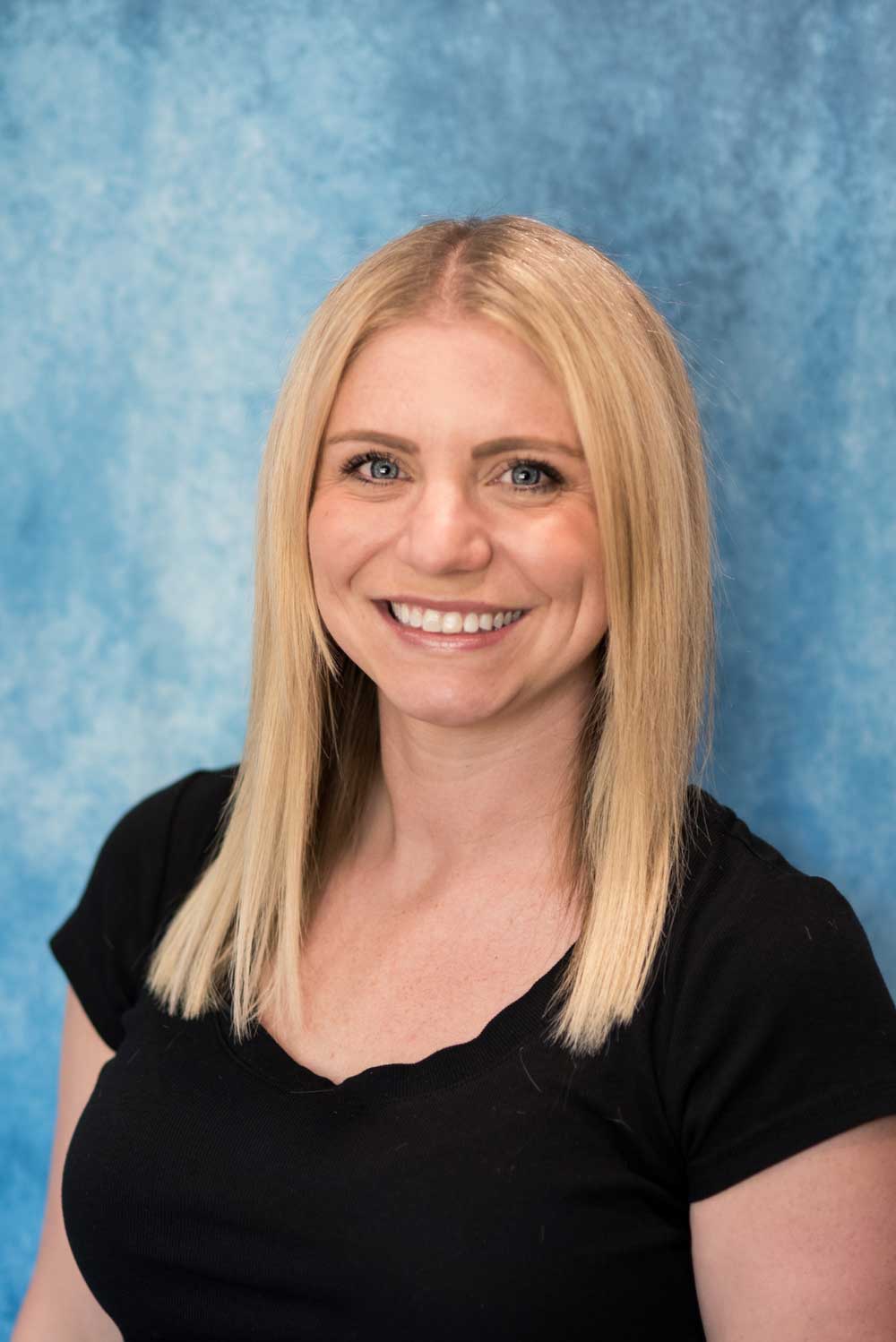
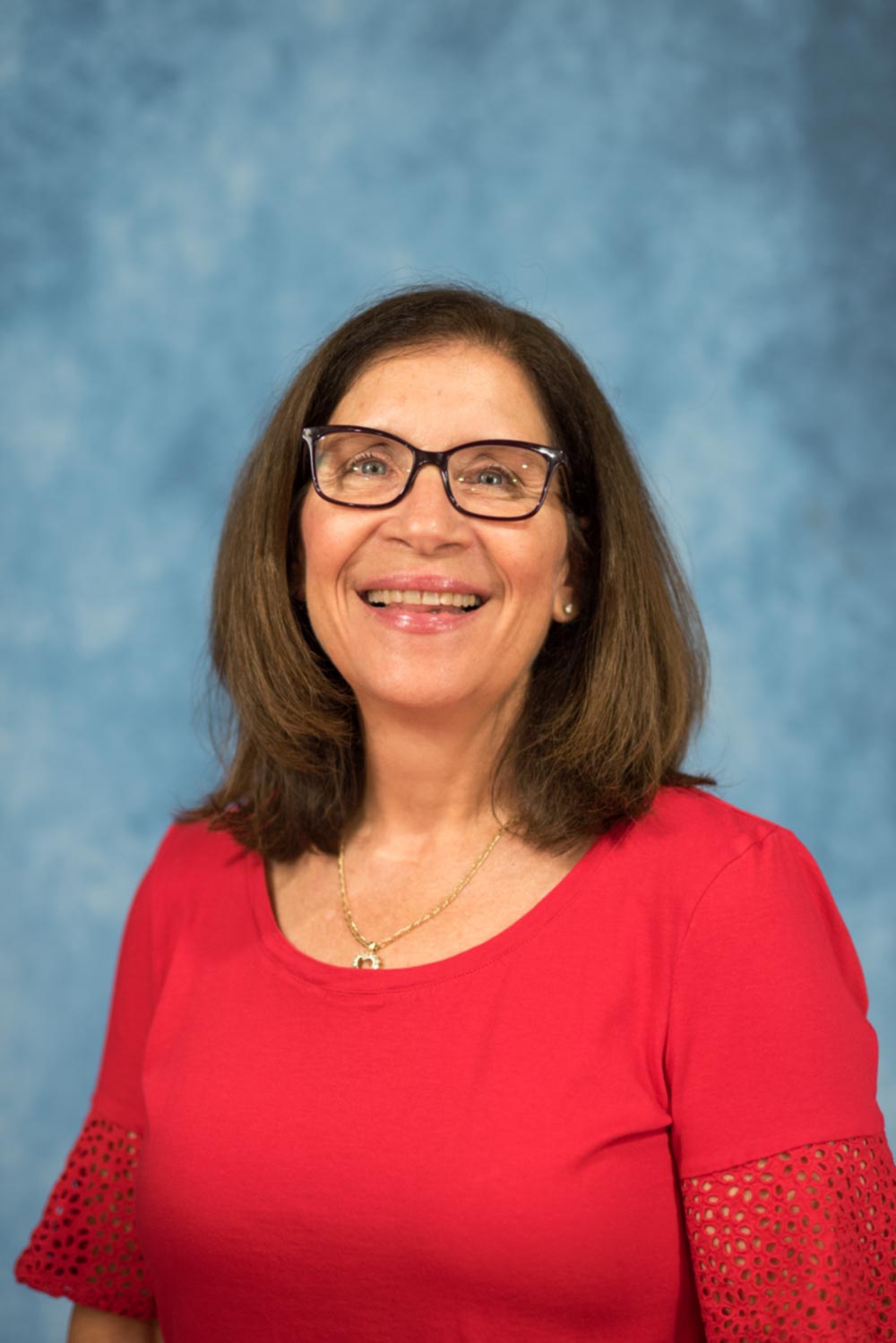
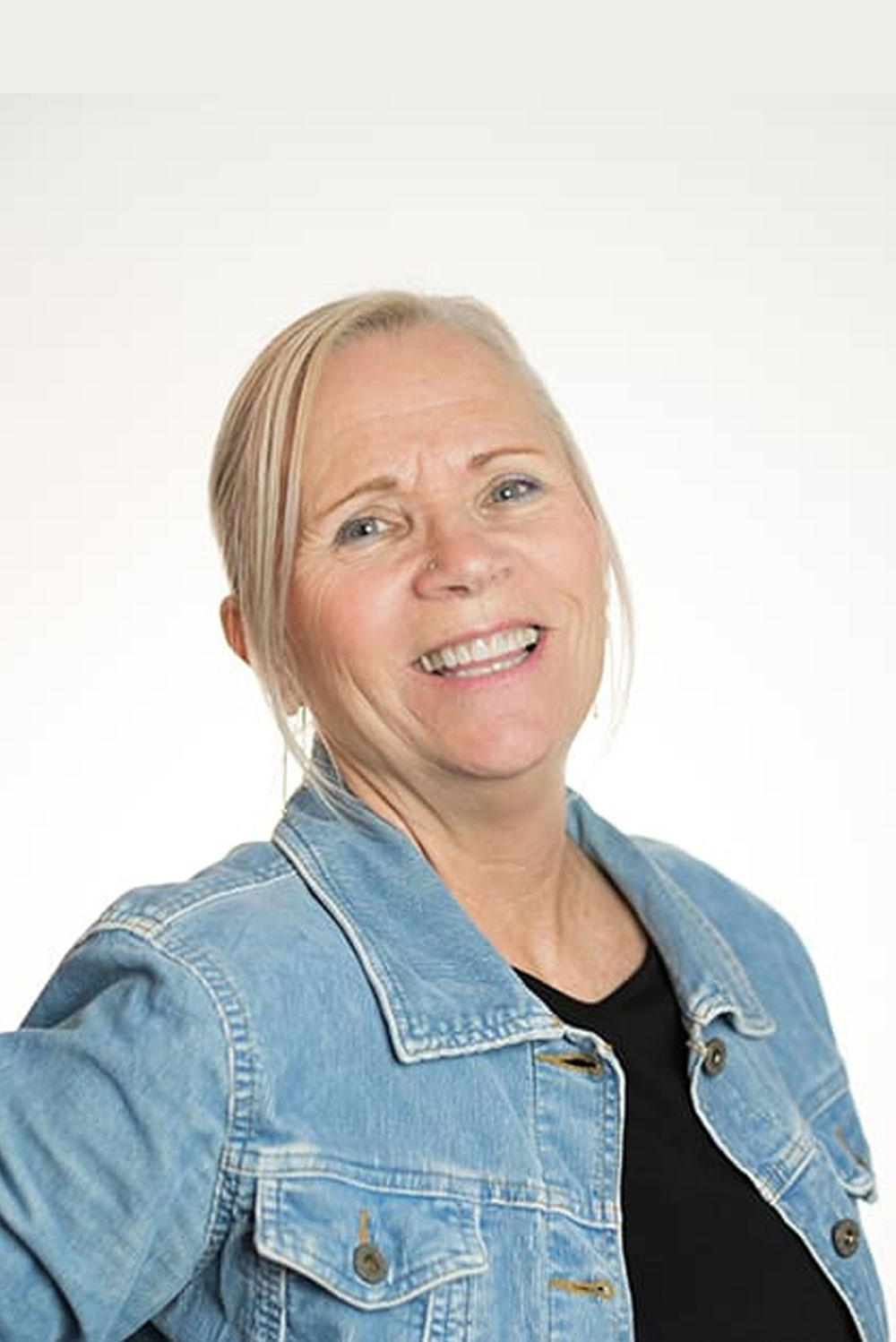
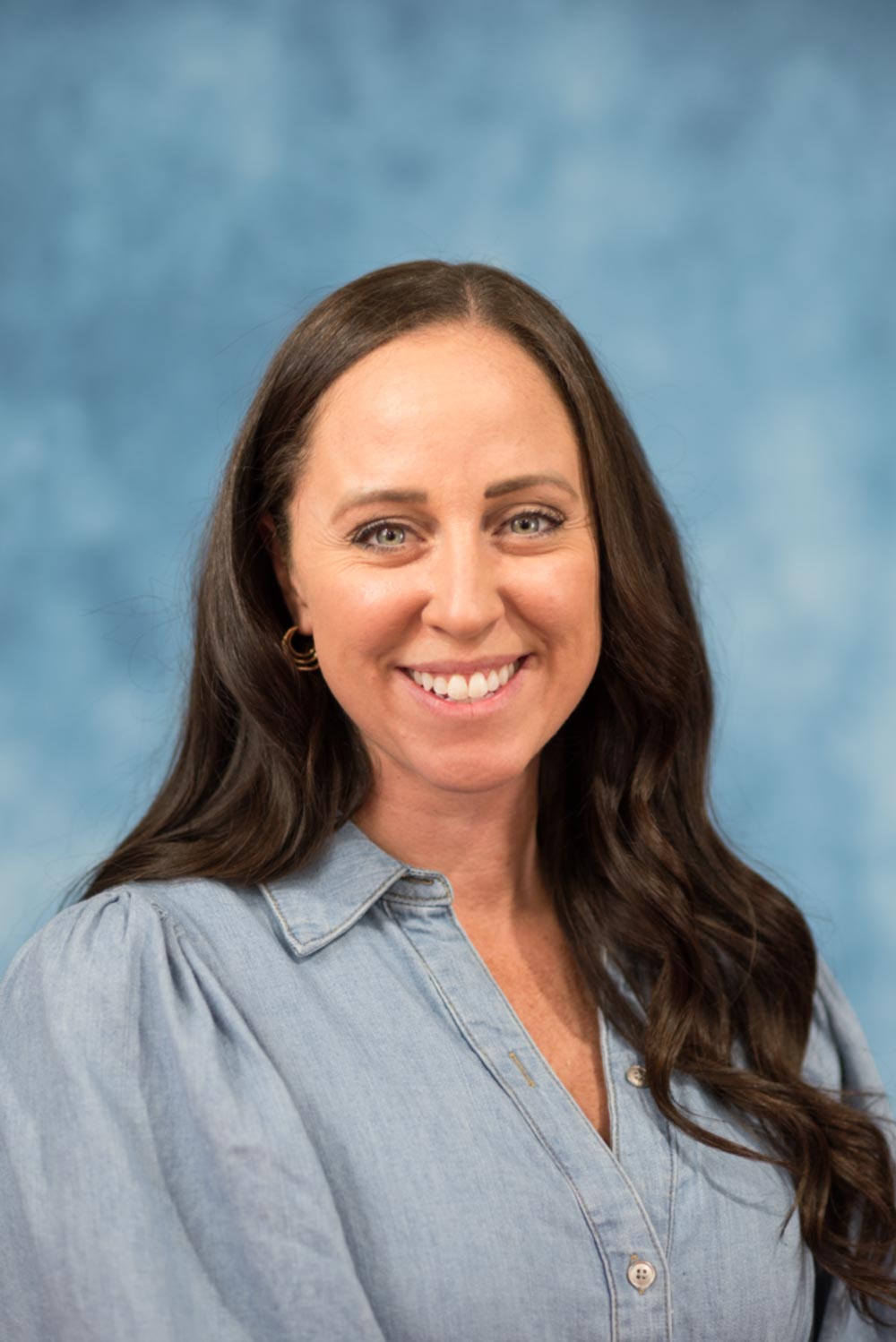
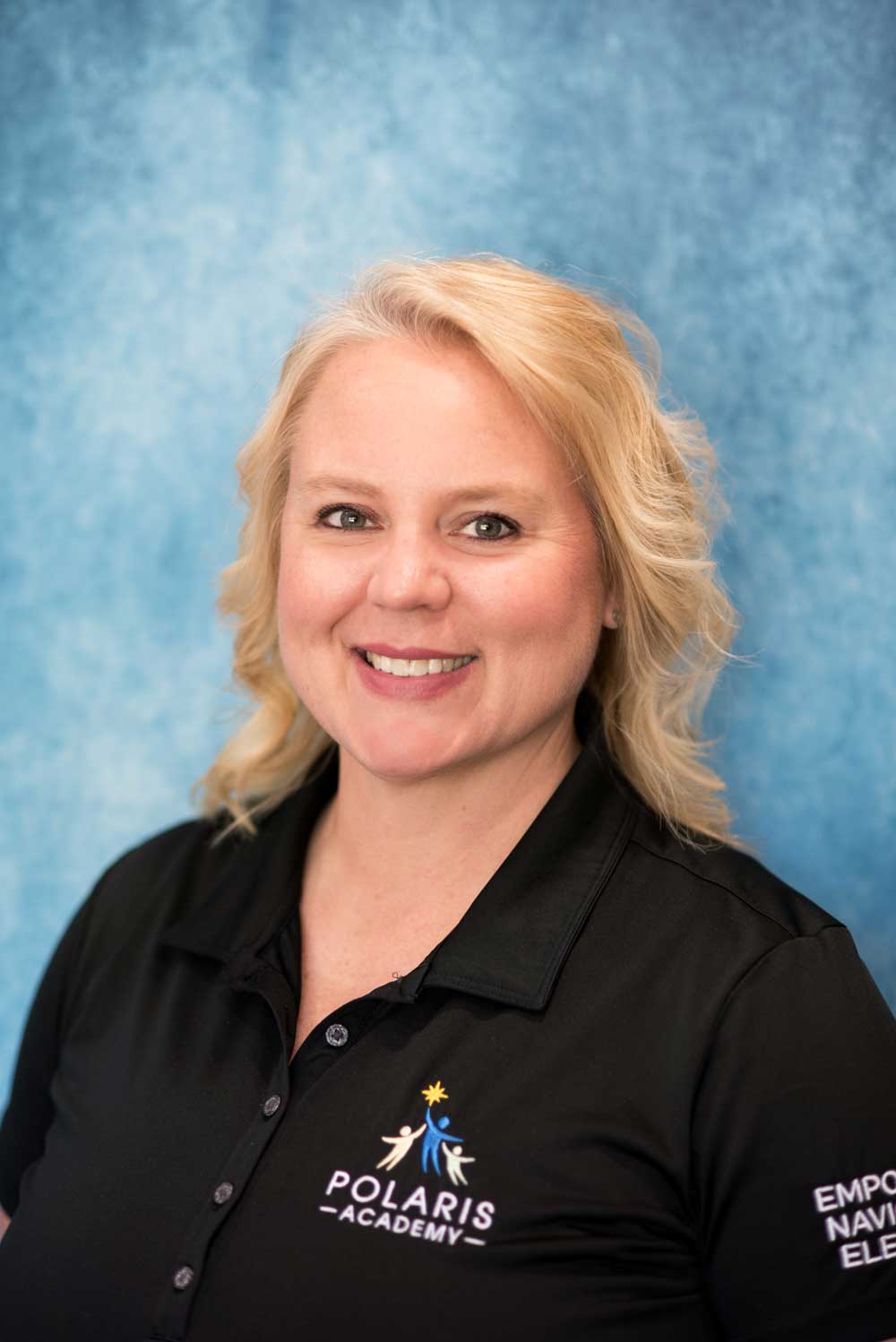
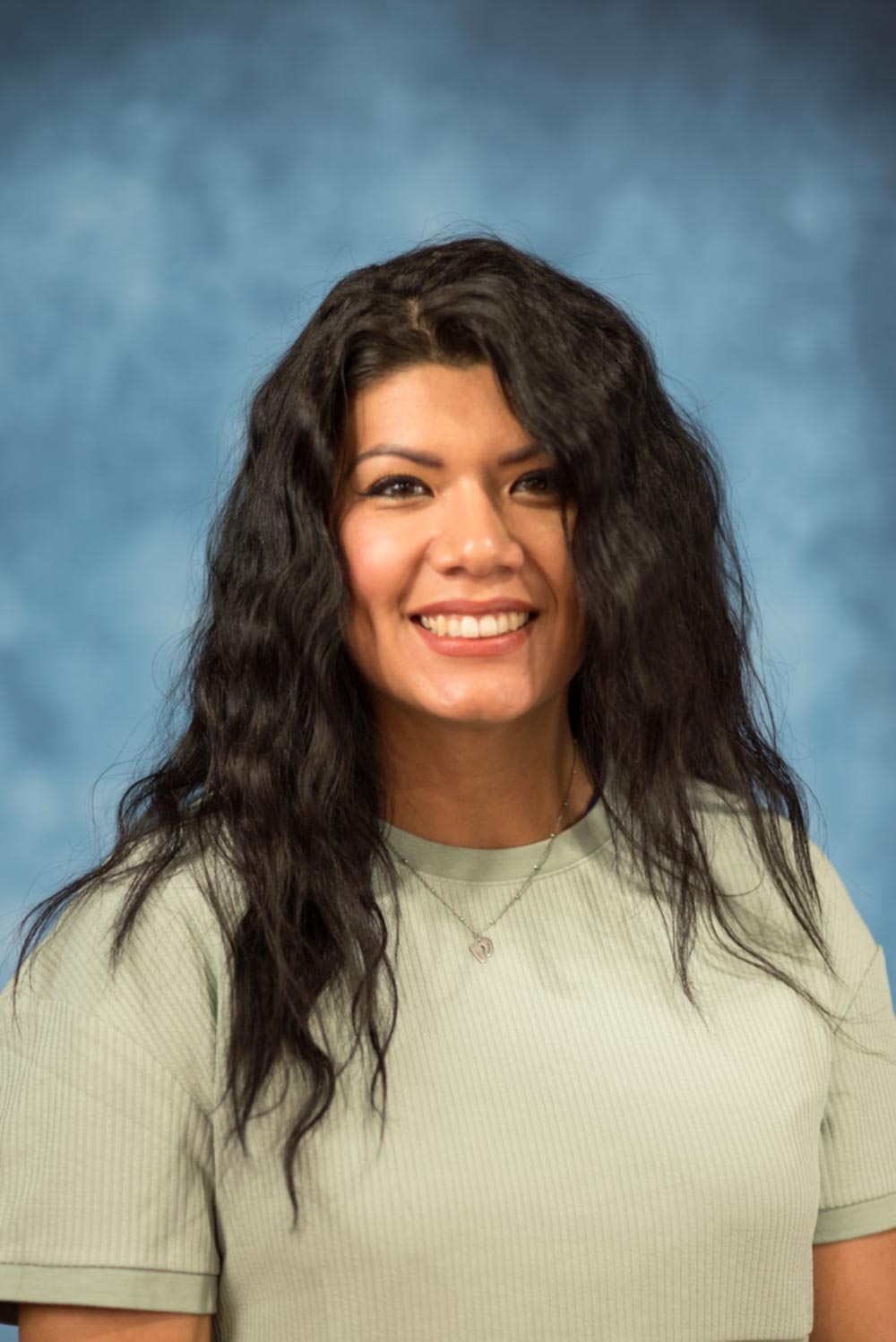
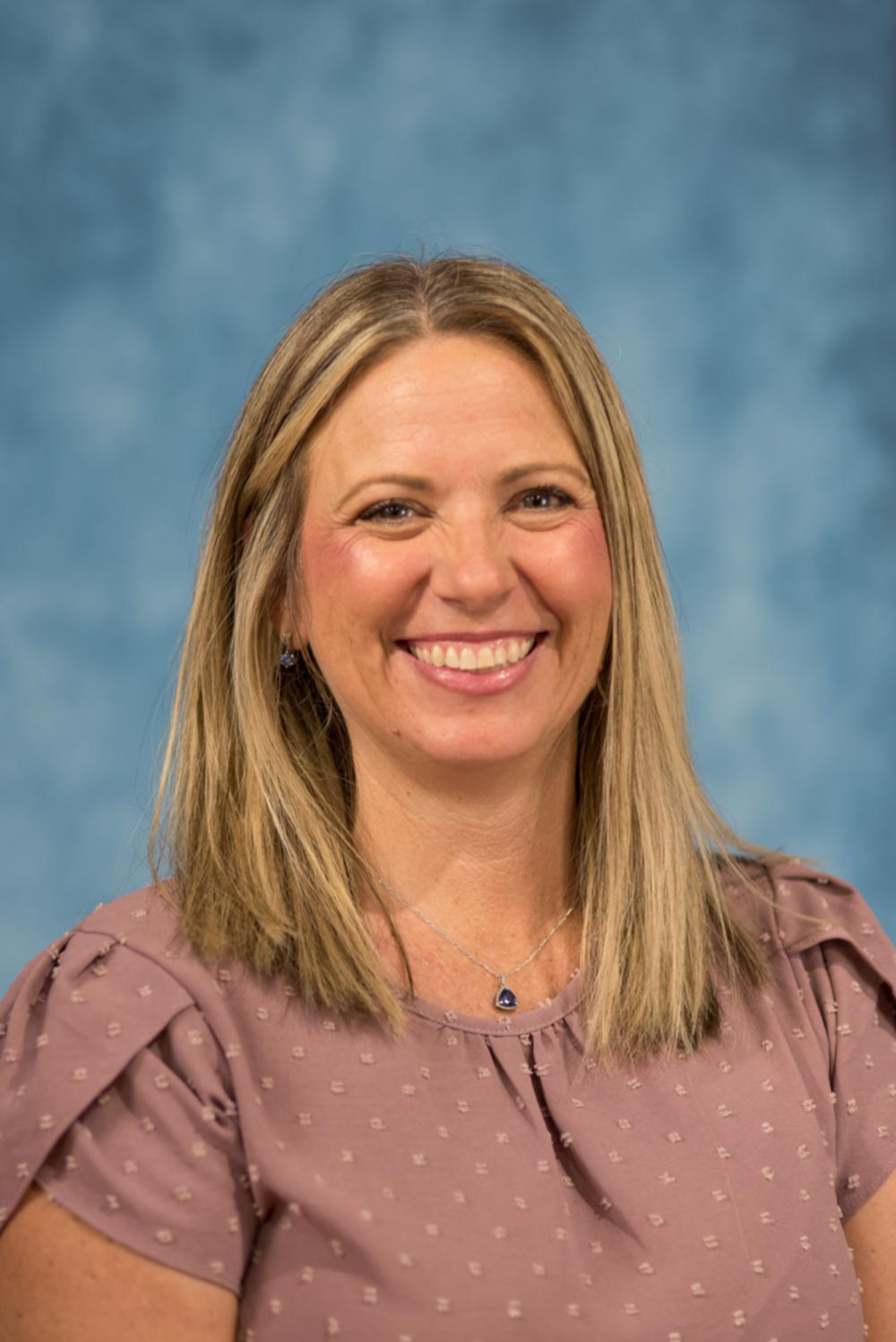
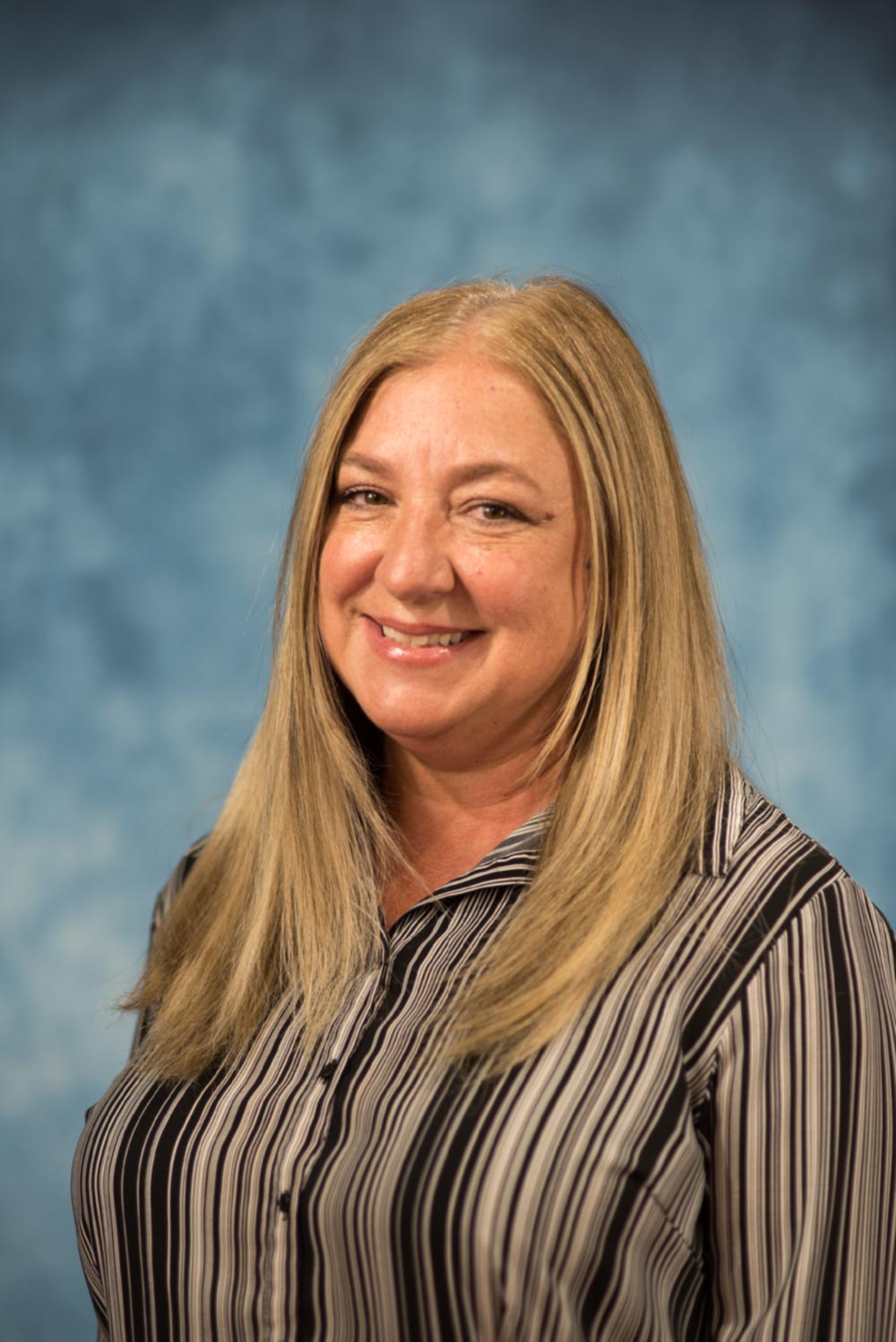
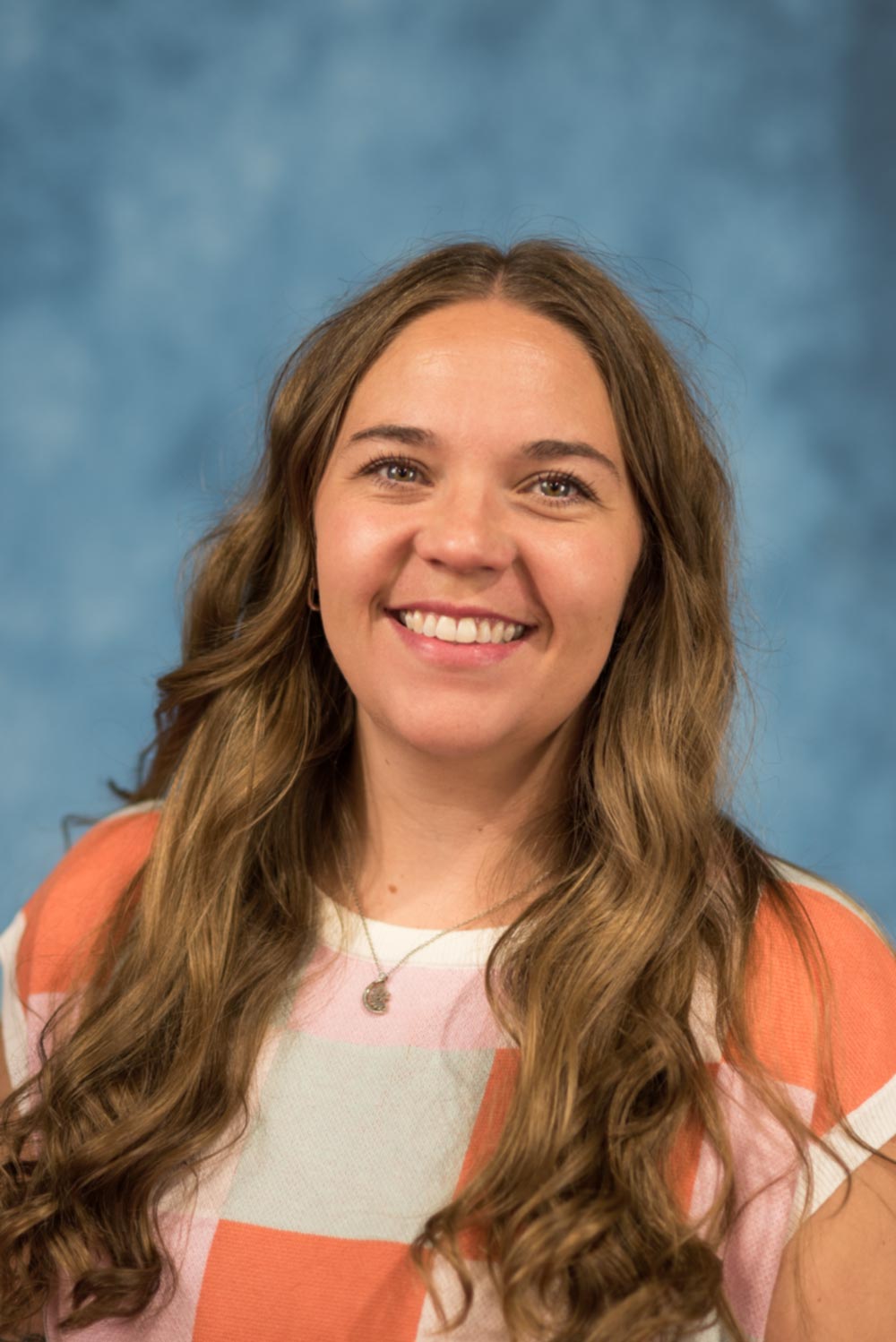
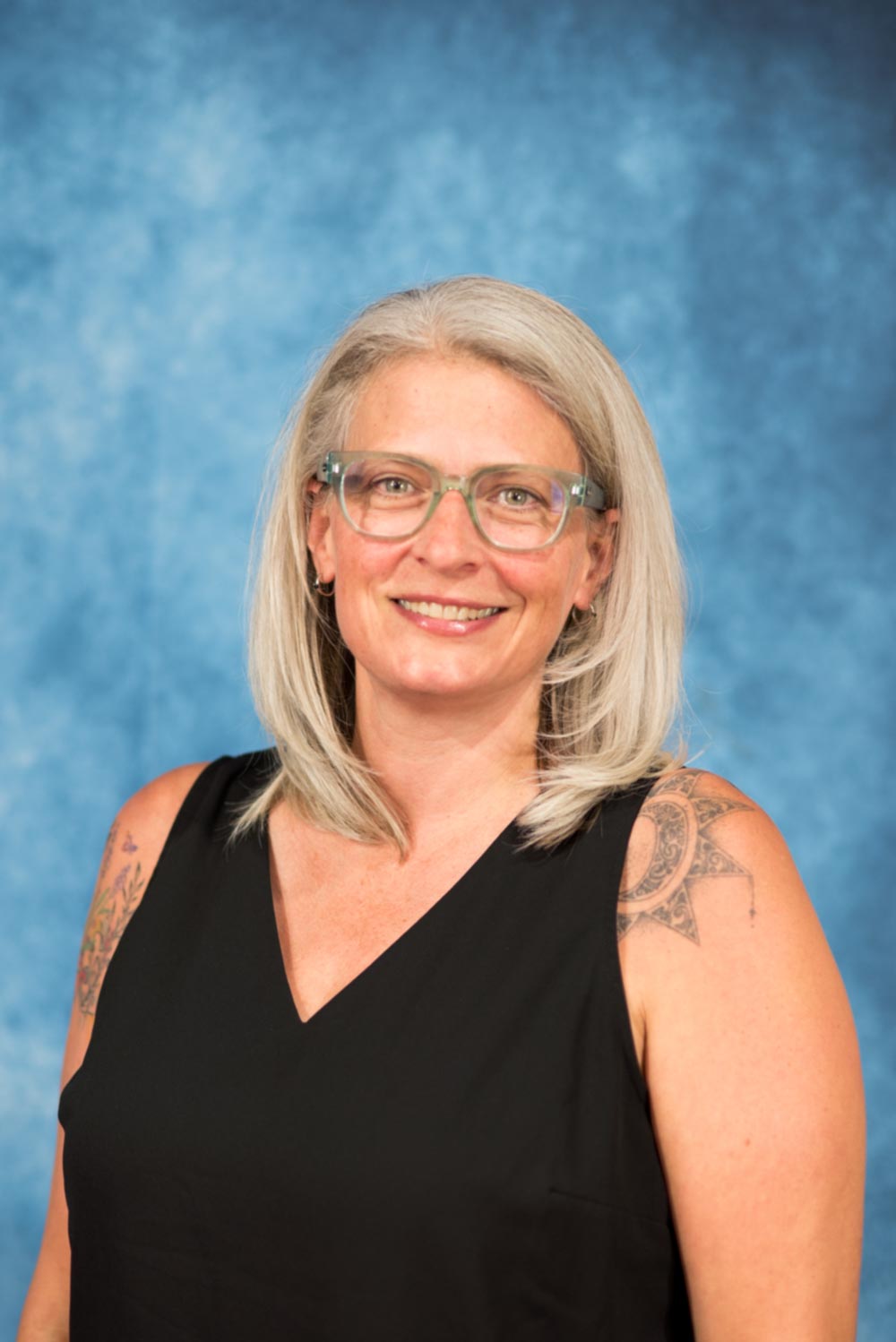
Our Staff
About Us
About Us
About Us
Home >The Story of Polaris Academy
Managing a child with autism or other neurodivergent conditions can be a challenge, so when it came time to put our son into school we knew there would be hurdles. Our local elementary school was highly rated and we quickly fell in love with the teachers, administration, and convenient location. The public school provided every resource they could for our son and sincerely wanted to help him succeed. But the challenge was that this school, and its curriculum, was designed for typical kids. No matter how hard our son worked or how much help he received, his measurement and perception of success was overshadowed by the progression of peers around him. He was having success at a rate that was great for him, but in contrast to his classmates it seemed as if he was failing.
Next, we tried home-schooling which was amazing, frustrating, rewarding, and exhausting all at the same time. Autistic children really do require a village of specialists, therapists, and educators, and I did my best to provide him tutors and therapists to meet his needs. But managing the schedules across so many disciplines became complicated and extremely expensive. Recreating the support system provided in school was just not feasible, and although I love working with my son, trying to wear all of those different hats on my own did not work out to his favor or mine. Combine that with missed opportunities for socialization and we knew we needed to find a more specialized school for our son.
We tried a number of private schools that we thought might be a good match. We were excited our son was having good peer interactions with children more like him, but other issues arose. Some were reluctant or unable to change or adopt different teaching methods to better suit his needs, others did not have added resources for speech, ABA, or other therapies. And some that appeared to have everything we needed unfortunately had no more room for our son. So we were left with the decision to either continue home-schooling while we waited for an opening in a preferred school, place him in a school that was still not meeting his needs…. or start our own school.
That’s when Polaris Academy was born. Schooling for autistic children shouldn’t be a challenge, it should be an opportunity. So our task was to create a school where neurodivergent children could relate, socialize, and thrive in an environment physically designed for focused learning, academically designed to be flexible and promote out-of-the box thinking, and filled with professionals driven by a passion for our students instead of mandated goals and standards. Our vision was fortunately shared by our founding group and with their collective efforts our dream has now become a reality. We are so excited to share what we have learned, developed and created with you and your children and hope you will let us be a part of your amazing journey.
Why the name Polaris Academy?
Polaris is the brightest star within the Little Dipper constellation, also called Ursa Minor meaning “the Little Bear” thus our mascot – “Bears”. It is known as the North Star, or Pole Star, because of its stable and fixed position in the northern sky.
Used throughout history for navigation, Polaris has shined as a constant and reliable light for those sailing the seas, traversing barren deserts, and charting a course through the unknown. As a symbol, Polaris is used in poetry to represent steadfastness, a guiding principle, a constant guide, and is often associated with direction and purpose. Though appearing to the naked eye as a single point of light, Polaris is actually a triple star system combining the light of three stars to shine brightly in the night.
We couldn’t select a better symbol for our school. Our hope, our vision, is for Polaris Academy to be a stable and reliable resource for parents and children, helping to chart and navigate through life’s journey towards a more purposeful, independent, and fulfilling future. Polaris Academy stands as a symbol of steadfastness in learning, a constant guide for education and growth. And by combining the experience of our professionals, resources of our community, and unique talents and strengths of our students and parents, Polaris Academy will shine brightly and light a path of success, joy, and confidence for all our little, bright “stars”.
Modal Box
modal-
Click here to edit the “modal-box” settings. This text is only for editing and will not appear after you publish the changes. Preview modal-About Us
About Us
Leadership Team
Darcy Palmer
Co-Founder
Read Bio
Nathan Palmer
Co-founder, Chief Executive Officer
Read Bio
Aaron Kaczmarek
Chief of School Operations
Read Bio
Brad Broyles
Chief Financial Officer
Read Bio
Jon Higginbotham
Chief Design Officer
Read Bio
Lloyd Glenn
Partner
Read BioOur Staff
Heidi Lee
Special Education Teacher
Read Bio
Jenna Shaver
Special Education Teacher
Read Bio
Krystal Schmier
Assistant Campus Director
Read Bio
Lindey Lacy
Special Education Teacher
Read Bio
Nikki Galvan
Special Education Teacher
Read Bio
Rachel Crupi
Director of Behavior Services
Read Bio
Sarah Taylor
Special Education Teacher
Read Bio
Susan Aglialoro
Director of Speech-Language Pathology
Read Bio
Taylor Esperanza
STEM Teacher
Read Bio
Tricia Godlewski
Special Education Teacher
Read Bio
Haley Palmer
Director of Early Learning Center
Read Bio
Beth Crosby
Director of Physical and Nutritional Health
Read Bio
Sarah Boyd
Senior BCBA
Read BioModal Box
modal-
Click here to edit the “modal-box” settings. This text is only for editing and will not appear after you publish the changes. Preview modal-About Us
About Us
FAQ
What additional education or academic supports will my child receive at the school? ExpandOur school provides a blended model of academic and behavioral supports. Speech, Occupational, Physical, and ABA therapy techniques and professionals are integrated into the classroom and other experiential learning settings.
How do you track academic and behavioral progress? ExpandWe intend to utilize our own blended academic/behavior goal and progress forms rather than a traditional IEP. We will individually track, monitor and create goals for every individual child in collaboration with parents and providers and will hold quarterly update conferences with parents.
What is the student- teacher ratio? ExpandPolaris Academy will have a 4:1-5:1 student-teacher ratio. Each classroom is intended to have a main teacher and in-class Registered Behavior Technician (RBT) offering behavior and academic supports. Larger classrooms will also incorporate additional teaching aides to maintain those ratios along with support from our on-staff BCBA and speech therapist.
How do you accommodate students with different developmental phases? ExpandStudents will be grouped by skill and ability, not just age, to ensure we meet each student’s learning, growth, and social needs.
Do you provide training in life skills and social skills? ExpandYes, our school was built with experiential and social learning in mind. Our unique School Marketplace, S.T.E.M. Discovery Room, Culinary Experience Center, and Intentional Play Gym, provide real life and social skills while incorporated academics in an applied and real-world setting. All of our staff members, including our on-staff speech therapist, BCBA, teachers, and RBT’s, will help facilitate, support, and guide our students towards higher peer and social skills.
How do you acclimate my child to the school? ExpandMost children take time adjusting to a new space. So we intend to hold behavior and academic assessments during the summer prior to the first day of school. Additional open-house and meet the teacher events will also be available so that the first day of school will not feel like their traditional “first day”. This will help familiarize students to their school surrounding and help them feel more comfortable with staff members and classmates.
Will my Child receive one-on-one instruction? ExpandInstruction and behavioral/therapy supports are intended to be performed in group settings.
How do you handle classroom disruptions? ExpandMany schools offer a “sensory room” where children can de-escalate if needed. However, often times these spaces can become a reinforcement for negative behavior because of their preferential design. Instead at Polaris we have designed our experiential learning centers with experiences and facilities to attract a child’s interest and participation in those areas requires class involvement. When a child is triggered or needs independent space, we utilize sensory nook areas in our hall and common areas that are built with acoustic materials and provide a space for a child to continue their schoolwork in a less populated environment. Students will still stay on task so as not to be rewarded for exiting the class, but will be able to remain in the nook environment until they are ready to integrate back into their classroom setting.
How does a typical classroom look? ExpandGeneral classrooms are intended to have between 10-15 students with 2-3 teacher/behavioral support staff.
Can I meet or communicate with a school therapists? ExpandYes, our on-staff BCBA, RBT’s, and speech therapist are available and encourage collaboration and questions from parents and outside providers. Many staff are also trained and have experience in occupational and physical therapy.
What are the qualifications of the staff working with autistic children? ExpandOur staff is what makes Polaris Academy so special. Teachers and support staff have years of multi-disciplinary experience across many fields including special education, autism education, speech/occupational/physical therapy, ABA and behavioral therapy as well as clinical support settings.
Can I meet the support staff? ExpandYes, all staff and teachers are expected to maintain communication with parents and parents are also encouraged to volunteer and participate in the school setting to learn how we are working with their children so those same supports can continue in the home.
How do you handle behavior issues? ExpandOur on-staff BCBA and behavior therapists will create individualized behavior plans/goals with help from parents and outside providers so that we have the appropriate tools to work with each child’s unique behaviors. Additionally, our school has been designed for sensory learning to create a more focused and calm environment. Between our trained staff, individualized behavior plans, unique autism architecture components, and individualized learning nooks we hope to provide ample support for all of our students’ behavior needs.
FAQ